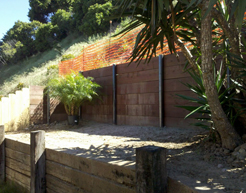
December Soil Conditions: What Contractors Need to Know Before Breaking Ground
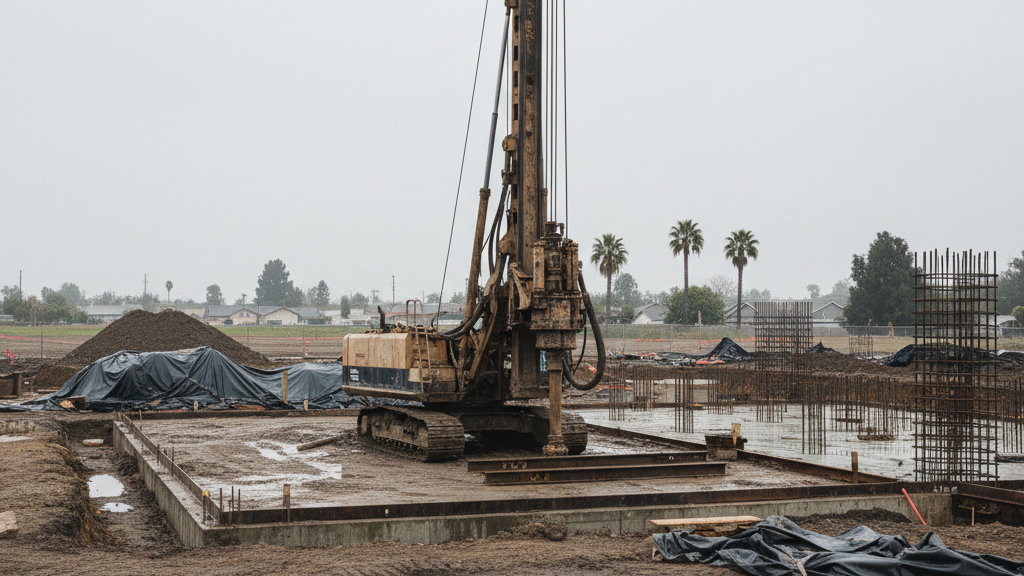
While Southern California may not experience harsh winters like other regions, December brings significant changes in soil conditions that every contractor should be aware of before breaking ground. From moisture content to soil compaction and drainage issues, these seasonal changes can impact the safety, stability, and schedule of any drilling or foundation project.
At Unlimited Drilling & Foundations, our team has decades of experience navigating the region’s unique soil behaviors. In this article, we’ll explore how December weather affects soil conditions in Southern California and what contractors need to know to ensure successful and safe ground preparation.
Understanding December Soil Behavior in Southern California
Southern California’s climate transitions during December, often bringing increased rainfall and cooler temperatures. Even modest precipitation can drastically affect soil properties, especially in areas with clay-rich or sandy soils. Understanding these changes is essential before any excavation, foundation drilling, or hillside stabilization work begins.
1. Increased Soil Moisture
December marks the beginning of the wet season in Southern California. Rainfall—even if light—leads to higher moisture content in surface and subsurface soils. Moist soil may appear manageable on the surface, but beneath, saturation can reduce load-bearing capacity, increase slip risk, and affect drilling operations.
Contractors must evaluate moisture levels through soil testing to ensure the ground can support the equipment and foundation structures planned for the project.
2. Compaction and Stability Challenges
Compacted dry soil is ideal for foundational work. But in December, wetter soil makes compaction more difficult and less effective. Soil that’s too wet resists proper compaction, which can lead to shifting, uneven settling, or long-term structural instability after construction.
Using the right compaction techniques and ensuring appropriate moisture levels before compaction is critical. Overly saturated soil may require drying or reinforcement before drilling or excavation begins.
3. Drainage and Erosion Risks
With wetter conditions, drainage becomes a top concern. Poorly draining soils can become unstable, and water accumulation can erode excavation sites or wash away temporary supports. This is particularly concerning in hillside or sloped areas, where December storms can accelerate erosion and increase the risk of mudslides or soil displacement.
Proper grading and temporary stormwater control systems—such as trench drains, silt fences, and sandbags—should be part of any project started in December.
Common Soil Types in Southern California and Their December Behavior
Different areas across Southern California experience a range of soil types, each of which reacts differently to December weather patterns.
1. Clay Soils
Clay retains moisture, leading to expansion during wet months. This makes it prone to shifting and movement, which can threaten the stability of foundations and retaining walls. Contractors should plan for extra drainage and reinforcement when working with clay-heavy soils in winter.
2. Sandy Soils
While sandy soils drain faster, they can also erode more quickly during heavy rains. Wind and water can easily displace surface material, especially in exposed or sloped areas. Soil retention strategies are essential when working in sandy regions during December.
3. Loamy Soils
Loam offers balanced drainage and moisture retention but still needs proper assessment before construction. Even loamy soils can become overly saturated if drainage is poor or the water table rises during extended rains.
Site Evaluation Before December Groundwork
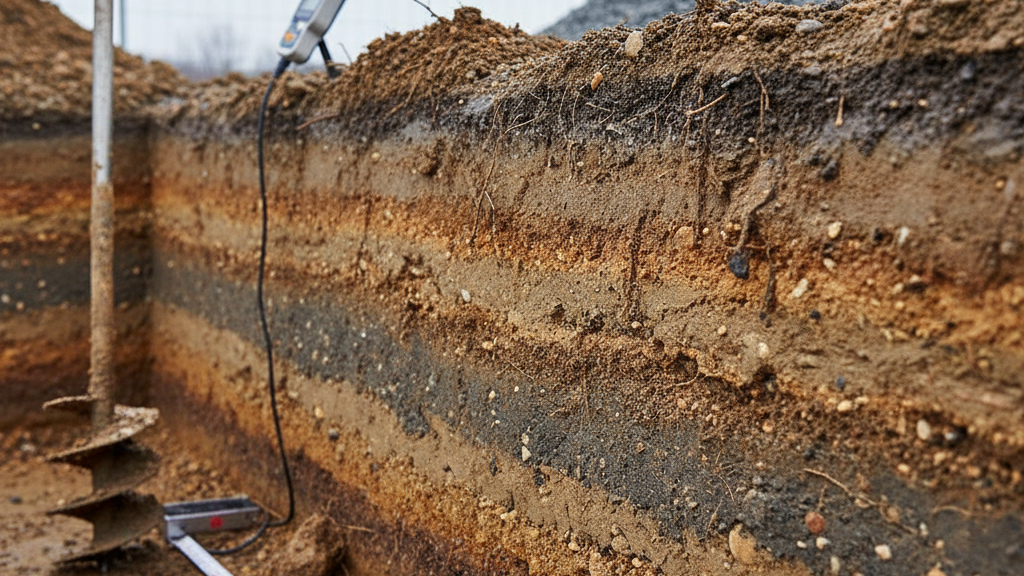
To prevent costly delays or structural issues, it’s essential to perform a thorough soil evaluation before initiating any drilling or foundation work in December. At Unlimited Drilling & Foundations, we assess several factors before moving forward:
- Moisture content and drainage capability
- Soil composition and load-bearing capacity
- Slope stability for hillside properties
- Historical precipitation trends for the project location
This proactive approach allows us to recommend the best drilling techniques, foundation designs, and safety measures for winter projects.
Tips for Contractors Starting Projects in December
Breaking ground in December isn’t just about managing weather—it’s about understanding how seasonal conditions affect the ground you’re building on. Here are a few professional tips to help contractors navigate December soil conditions effectively:
1. Schedule Early Site Assessments
Get ahead of weather complications by evaluating the site before the rainy season is in full swing. Early testing allows time for moisture mitigation or soil reinforcement if needed.
2. Plan for Rain Days
Project timelines should account for potential delays due to rain or unstable soil conditions. Build flexibility into your schedule to avoid rushed decisions that could compromise site safety.
3. Use Proper Soil Stabilization Techniques
Stabilization methods such as geotextiles, soil nails, or retaining systems may be required to maintain safe working conditions—especially on sloped lots or loose soils.
4. Implement Stormwater Management
Don’t overlook erosion control. Use temporary measures like diversion berms or detention basins to manage runoff and prevent site washouts.
5. Partner with an Experienced Drilling Contractor
Winter projects require more than just standard excavation—specialized knowledge and equipment are necessary to deal with December soil conditions safely and efficiently. Partnering with a qualified contractor ensures your project stays compliant, safe, and on track.
Why Choose Unlimited Drilling & Foundations for Winter Projects?
With extensive experience across residential, commercial, and hillside drilling projects, Unlimited Drilling & Foundations is equipped to handle the seasonal challenges of Southern California soil. We understand the importance of proper soil evaluation and offer site-specific solutions to maintain stability and performance in every project.
From caissons and retaining walls to landslide repair and slope stabilization, we provide the engineering support and execution your project needs to succeed—no matter the season.
Plan Smart. Build Strong.
December might not bring snow and ice to Southern California, but the soil beneath your site still changes with the season. Whether you’re starting a new foundation, stabilizing a hillside, or drilling deep into unpredictable terrain, knowledge of soil conditions is essential.
Contact us today to schedule a site evaluation and discuss how we can support your winter drilling and foundation needs. Contact us.