What Is the Difference Between a Soils Report and a Geotechnical Investigation?
-
- A soils report is a summary document; a geotechnical investigation is the complete engineering analysis process.
-
- ASTM standards govern testing methods like the Standard Penetration Test (ASTM D1586) and Cone Penetration Test (ASTM D5778).
-
- Foundation design relies on accurate soil classification and bearing capacity data.
-
- Typical costs range from about $500 for a basic soils report to $15,000+ for a complex commercial geotechnical investigation.
-
- Always confirm soil testing requirements with your local permitting authority before site work begins.
A soils report summarizes a site’s basic soil composition and bearing capacity, while a geotechnical investigation is the complete process of subsurface exploration, testing, and engineering analysis used to produce that report. In short, the investigation is the work; the report is the deliverable. As of 2026, many jurisdictions use these terms interchangeably, but understanding the difference between a soils report and a geotechnical report helps property owners, builders, and engineers scope projects correctly and avoid budget surprises.
Why This Distinction Matters for Construction Projects
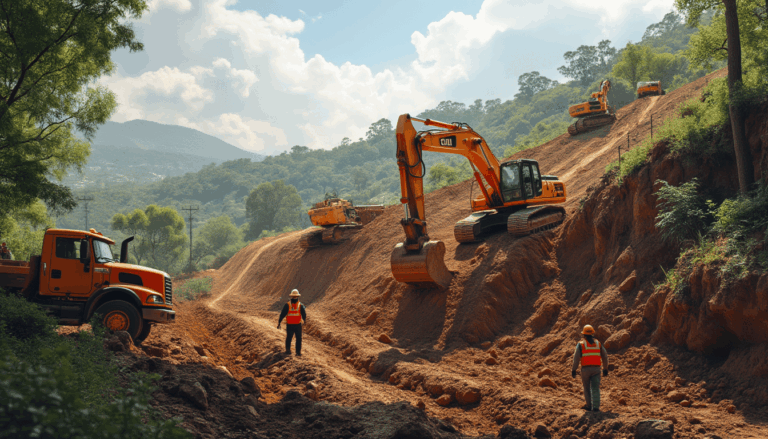
Confusing a preliminary soils report with a detailed geotechnical study can delay building permits or cause foundation design errors. A geotechnical engineer typically oversees the entire site investigation, while the soils report is one output among several, including slope stability reports, soil boring logs, and groundwater monitoring summaries. Inadequate subsurface investigation is a well-documented cause of foundation settlement, cracking, and costly repairs.
Building codes in many U.S. jurisdictions require some level of soil testing before a permit is issued. Knowing what a soils report includes, and when you need a full geotechnical investigation, prevents costly redesigns during foundation engineering. For example, a homeowner who submits only a one-page soils summary for a hillside lot may be asked by the building department to commission a full slope stability analysis before plans move forward, adding weeks to the timeline. Engaging the right scope of testing early, rather than after a plan review rejection, typically saves both time and money.
Key Characteristics of a Soils Report
-
- Soil classification: Identifies soil type using the Unified Soil Classification System (USCS), such as clay (CL), silty sand (SM), or well-graded gravel (GW).
-
- Load bearing capacity: States allowable soil bearing capacity in pounds per square foot (psf). Building code presumptive values range from about 1,500 psf for clay to 3,000 psf or more for gravel, and site-specific testing can justify higher values.
-
- Limited scope: Often based on one or two soil borings or test pits, typically representing a limited area rather than the full building footprint.
-
- Quick turnaround: A preliminary soils report can take 3–7 business days, making it common for small additions, sheds, or single-story remodels.
-
- Basic recommendations: General foundation type suggestions rather than detailed engineering calculations, often a starting point rather than a final design document.
Key Characteristics of a Geotechnical Investigation

-
- Comprehensive subsurface exploration: Multiple soil borings and core drilling locations across the site, often spaced 50–100 feet apart depending on lot size.
-
- Advanced testing: Standard Penetration Test (SPT) and Cone Penetration Test (CPT) data provide blow counts and tip resistance values used to estimate soil density and strength.
-
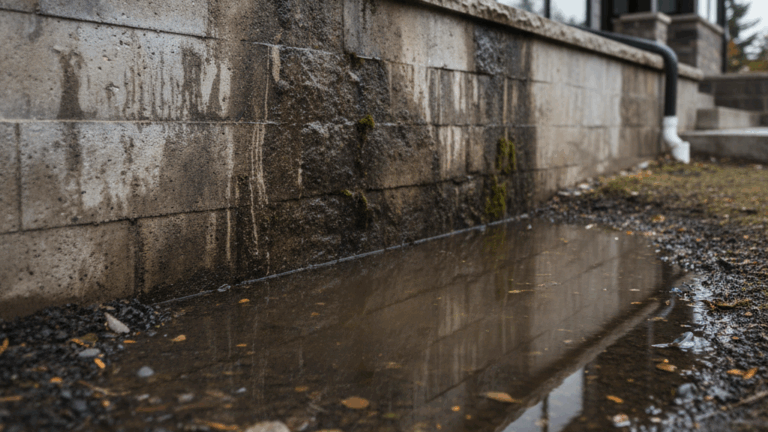
- Groundwater table analysis: Measures depth to groundwater and seasonal fluctuation, critical for basement waterproofing and retaining wall drainage design.
-
- Slope stability analysis: Commonly required on steep slopes (thresholds vary by jurisdiction), evaluating landslide and erosion risk under static and seismic loading.
-
- Seismic soil analysis: Evaluates soil liquefaction risk in earthquake-prone zones, often required in high-seismic areas such as much of California, Oregon, and Washington.
-
- ASTM standards compliance: Testing follows ASTM D1586 (SPT) and ASTM D5778 (CPT) protocols, ensuring results are reproducible and defensible for permit review.
How a Geotechnical Investigation Process Works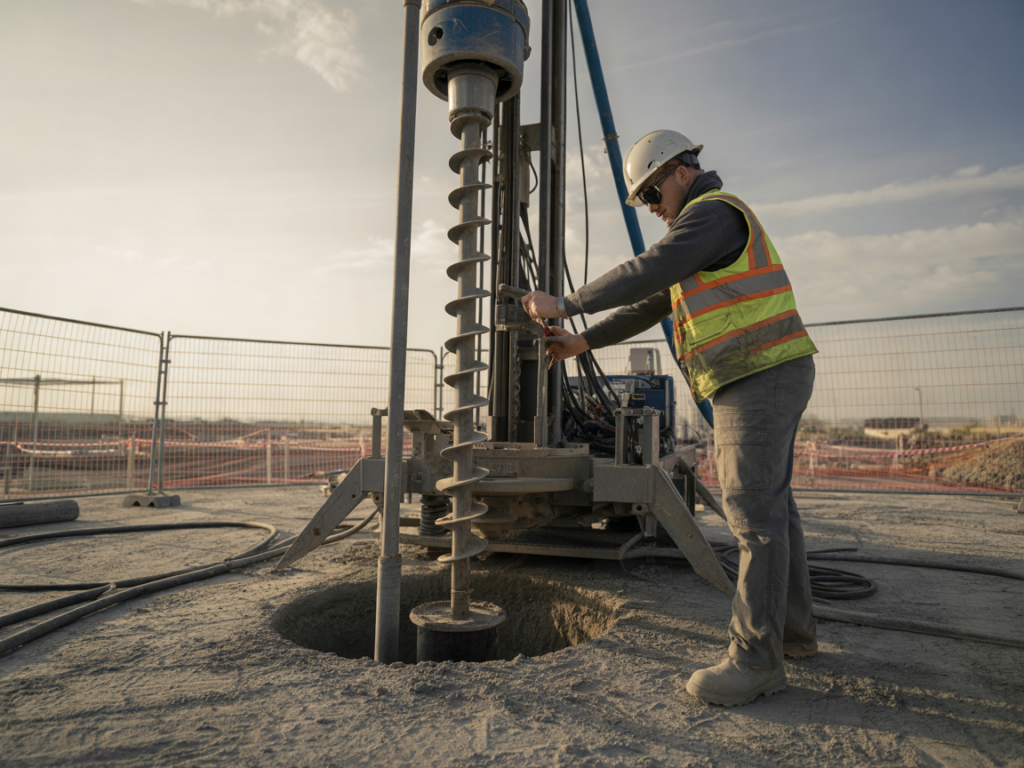 The geotechnical investigation process works in five stages:
-
- Site investigation and geological survey: The geotechnical or civil engineer reviews historical maps, prior geological survey data, aerial imagery, and site topography to identify fill areas, old waterways, or prior construction that could affect soil behavior.
-
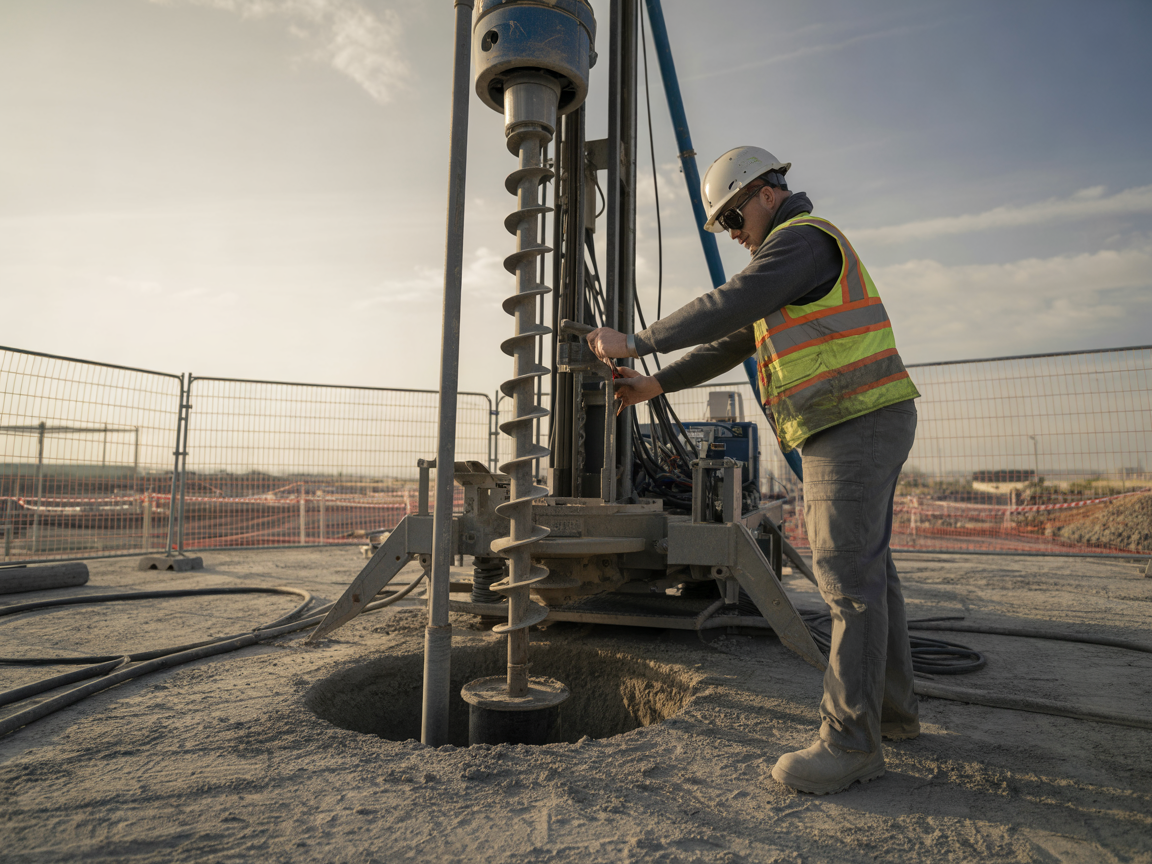
- Soil sampling and soil borings: Crews drill soil borings to bedrock or a specified depth, typically 15–50 feet for residential sites and 50–100+ feet for larger commercial or high-rise projects.
-
- Field testing: Technicians conduct Standard Penetration Tests and Cone Penetration Tests to measure soil density and in-situ strength at multiple depth intervals, plus percolation tests where septic or stormwater design requires them.
-
- Geotechnical laboratory analysis: Samples undergo density testing, moisture content analysis, Atterberg limits testing, and classification in a geotechnical laboratory, usually taking 5–10 business days per sample batch.
-
- Report generation: Engineers compile findings into a geotechnical engineering report with foundation design recommendations, retaining wall design parameters, allowable bearing pressures, and code compliance notes referencing applicable International Building Code (IBC) sections.
For project teams comparing testing providers, resources explaining soils report vs geotechnical investigation services can clarify which scope of work matches specific site conditions and permit requirements. Reviewing sample reports before hiring a firm also helps confirm that deliverables will satisfy the local building department’s checklist.
Common Misconceptions
Myth: A soils report and a geotechnical report are legally identical documents.
Reality: Many permitting offices require a site-specific geotechnical study, not just a basic soils report, especially for multi-story or sloped-lot construction. Some jurisdictions explicitly define “geotechnical report” in code language, meaning a generic soils summary will not satisfy plan check requirements.
Myth: Soil testing is only needed for commercial buildings.
Reality: Soil testing requirements for new construction apply to many residential projects, particularly those with unknown ground conditions, expansive clay soils, or fill material from prior grading work.
Myth: A site survey replaces a soils report.
Reality: A survey maps boundaries, elevations, and property lines, while a soils report analyzes subsurface conditions, soil stability, and bearing capacity. The two documents serve different, non-overlapping purposes in the permitting process.
Myth: Once a soils report is complete, no further testing is needed during construction.
Reality: Many jurisdictions require a geotechnical engineer to verify bearing conditions during excavation, confirming that actual soil conditions match the original report before foundation pours proceed.
Soils Report vs. Geotechnical Investigation: Side-by-Side Comparison
| Criteria | Soils Report | Geotechnical Investigation |
|---|---|---|
| Scope | Soil composition and basic bearing capacity | Full subsurface exploration and soil mechanics analysis |
| Testing Methods | Test pits, hand auger, limited soil borings | SPT, CPT, core drilling, slope stability analysis |
| Typical Use | Preliminary soil report for small projects | Detailed geotechnical study for larger builds |
| Timeline | 3–7 days | 2–6 weeks |
| Typical Cost (2026 estimates) | $500–$2,500 | $3,000–$15,000+ |
| Output | Soil boring report | Geotechnical engineering report with foundation design data |
| Typical Project Size | Single-family homes, small additions | Multi-story buildings, infrastructure, sloped lots |
| Number of Borings | 1–2 | 3–10+ depending on site size |
Soils Engineer vs. Geotechnical Engineer vs. Structural Engineer
The terms soils engineer and geotechnical engineer are often used interchangeably, but there are subtle distinctions. A soils engineer typically focuses on soil suitability and basic soil mechanics, often producing the initial soils report for smaller projects. A geotechnical engineer manages the entire subsurface exploration process, including earthwork engineering, retaining wall design parameters, and seismic risk evaluation for larger or more complex sites. The structural engineer then uses this data for foundation design, ensuring load paths match the site’s bearing capacity and that footings, slabs, or piles are sized correctly for the measured soil conditions. On larger commercial projects, all three roles may coordinate directly, with the geotechnical engineer issuing updated recommendations as excavation reveals new subsurface conditions.
Practical Applications: When Do You Need a Geotechnical Investigation?
Knowing when you need a geotechnical investigation helps avoid construction delays:
-
- Residential construction: Many jurisdictions require soil testing for new single-family homes, especially multi-story homes or homes built on previously undeveloped land, expansive soils, or fill.
-
- Soils report vs. geotechnical investigation for home construction: Simple slab-on-grade homes on known stable soil may only need a soils report; homes on fill soil, near bedrock, or on steep slopes often require a full geotechnical investigation.
-
- Commercial projects: Commercial structures typically require a site-specific geotechnical study, often with seismic soil analysis in earthquake-prone regions.
-
- Infrastructure projects: Retaining walls, bridges, and roads require detailed geotechnical data for foundation soil analysis, pavement design, and long-term settlement predictions.
-
- Renovation and addition projects: Adding a second story or heavy equipment load to an existing structure may trigger a new soils report, even if the original foundation was approved decades earlier.
How Much Does a Geotechnical Investigation Cost?
As of 2026, the cost of a geotechnical investigation depends on site size, accessibility, and complexity. Residential sites typically run $3,000–$8,000, while commercial sites with multiple soil borings can exceed $15,000. Cost factors include the number of boring locations, laboratory testing requirements, slope stability analysis, and whether specialized equipment is needed to reach difficult terrain. Rush turnaround requests can add 15–25% to standard pricing. Prices vary significantly by region, so request quotes from local firms.
How Long Does a Soils Report Take?
The time a soils report takes depends on scope. A preliminary soils report with one boring location can be completed in under a week. A detailed geotechnical study involving multiple borings, groundwater monitoring, and seismic analysis can take two to six weeks, especially when laboratory backlogs or weather delays affect field crews.
Do I Need a Soils Report for a Building Permit?
Many building departments require proof of soil testing before issuing a permit for a new foundation. Whether you need a soils report or a full geotechnical investigation depends on local code: some jurisdictions accept a basic soils report for simple projects, while steep-slope or flood-zone properties typically require a full investigation with slope stability analysis and groundwater data. Checking with the local building department early, ideally before purchasing land, can prevent unexpected testing costs after a project timeline has been set.
Key Takeaways
-
- A soils report is a summary document; a geotechnical investigation is the complete engineering analysis process.
-
- ASTM standards govern testing methods like the Standard Penetration Test (ASTM D1586) and Cone Penetration Test (ASTM D5778).
-
- Foundation design relies on accurate soil classification and bearing capacity data.
-
- Typical costs range from about $500 for a basic soils report to $15,000+ for a complex commercial geotechnical investigation.
-
- Always confirm soil testing requirements with your local permitting authority before site work begins.