How to Prepare a Hillside Lot for Drilling Rig Access: 9-Step Guide 2025
Preparing a hillside lot for drilling rig access requires coordinating excavation contractor services, obtaining environmental permits, and constructing stable access roads on sloped terrain. The complete hillside lot preparation for drilling operations typically takes 2-6 weeks depending on topography complexity and ranges from intermediate to advanced difficulty level, requiring coordination between civil engineers, geotechnical engineers, and specialized earthwork contractors.
Before You Begin: Prerequisites and Planning Requirements

Required Professionals:
- Licensed geotechnical engineer for soil mechanics analysis and bearing capacity testing
- Professional surveyor for topographic mapping and elevation planning
- Civil engineer for grading plan and drainage system design
- Excavation contractor with hillside construction methods experience
Essential Equipment Needed:
- Bulldozer and excavator for hillside excavation and terrain modification
- Grading equipment including loader and backhoe
- Compactor and roller for soil compaction and aggregate base preparation
- Drilling equipment transport vehicles capable of navigating steep slope construction sites
Preliminary Documentation:
- Site survey with gradient calculation and slope analysis
- Geotechnical investigation report detailing slope stability conditions
- EPA and OSHA safety regulations compliance checklist
- Environmental permits for hillside grading operations and drainage installation
Step 1: Conduct Site Survey and Geotechnical Investigation

Begin by hiring a professional surveyor to complete topographic mapping of the hillside lot, documenting all elevation changes, existing drainage patterns, and terrain features. According to American Society of Civil Engineers standards (ASCE, 2024), hillside drilling site development requires detailed gradient calculations showing slopes exceeding 15 percent. The surveyor must establish benchmark elevations and create a base map for the grading plan.
Simultaneously, engage a geotechnical engineer to perform soil mechanics testing, including compaction testing and bearing capacity analysis. The geotechnical investigation determines soil stabilization requirements and identifies potential slope stability concerns. This foundation preparation work typically requires 3-5 days and costs $3,000-$8,000 depending on site complexity and accessibility.
Step 2: Design Access Road and Drilling Pad Layout
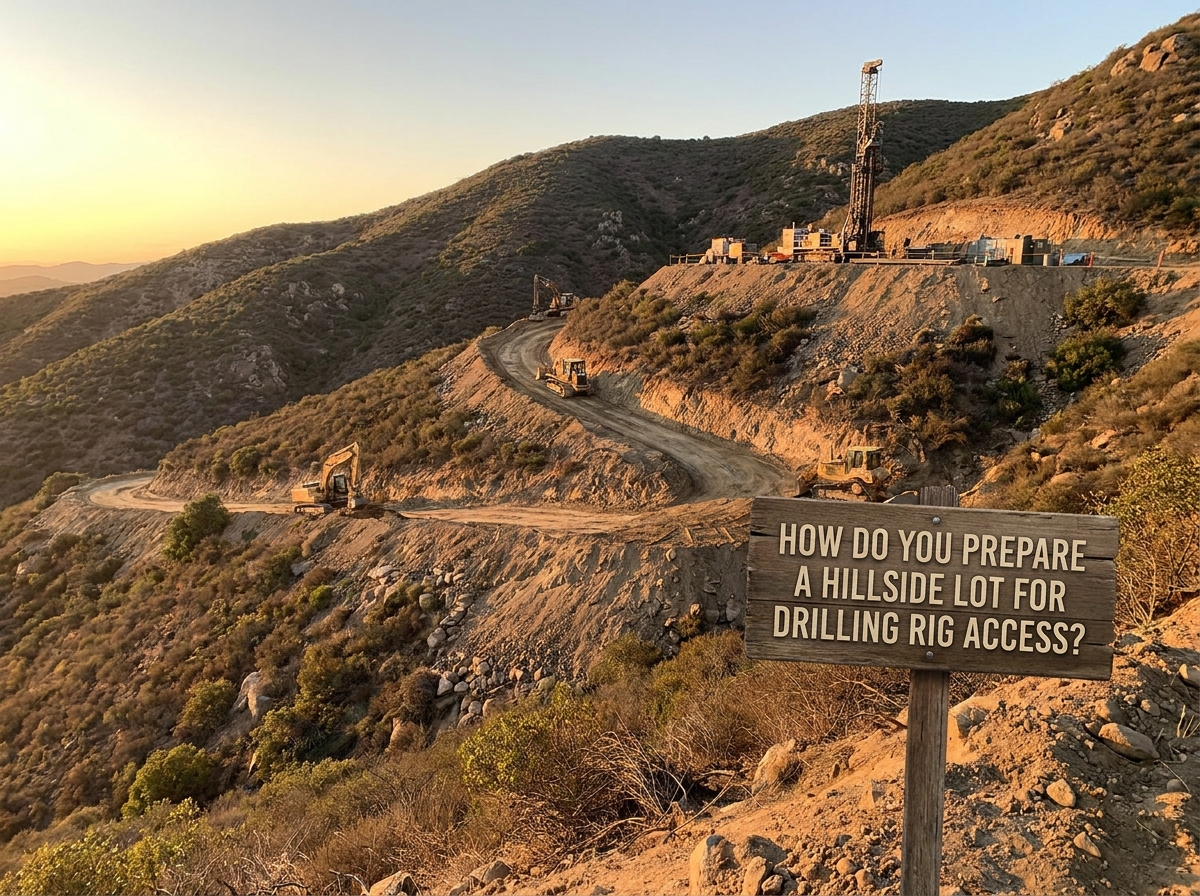
Work with your civil engineer to develop drilling rig access road design specifications based on the equipment’s weight and dimensions. Standard water well drilling rigs require access roads measuring 14-16 feet wide with gradients not exceeding 12-15 percent for safe heavy equipment transport. Oil and gas drilling rigs demand wider turning space creation and may require switchback roads on steep hillsides.
The drilling pad layout must provide a level pad creation area measuring 100-150 feet by 50-80 feet for typical rotary drilling equipment. Position the drilling platform construction to minimize cut and fill volumes while maintaining adequate slope modification for drainage. The pad site development plan should include parking area construction for support vehicles and a staging area development zone for pipe storage and crew facilities.
Step 3: Obtain Environmental Permits and Regulatory Approvals
Submit permit applications to local jurisdictions covering hillside grading, access road construction, and drilling site development. Environmental permits typically require stormwater management plans detailing erosion prevention measures and sediment control strategies. OSHA safety regulations mandate specific slope engineering solutions and worker protection protocols during hillside construction.
The permit approval process averages 2-4 weeks but may extend to 8 weeks in environmentally sensitive areas. Budget $1,500-$5,000 for permit fees and engineering plan reviews. If you need professional assistance navigating these requirements for drilling rig access hillside San Diego, local specialists can streamline the approval process and ensure compliance with regional regulations.
Step 4: Clear and Grade the Hillside Terrain
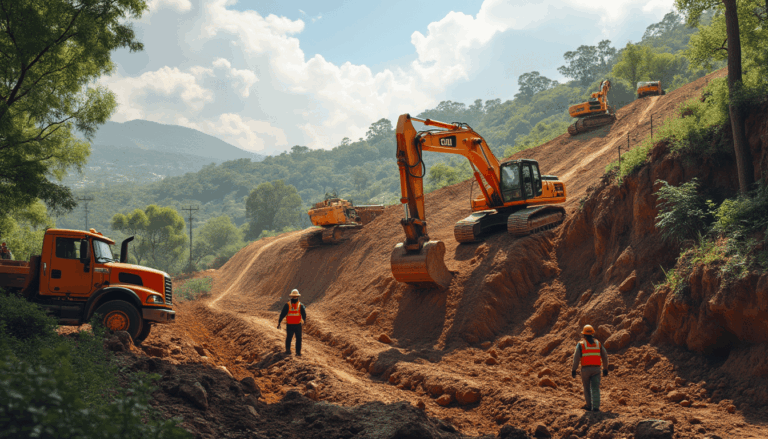
Begin site clearing procedures by removing vegetation, trees, and topsoil from the access route planning corridor and pad site engineering area. Stockpile topsoil separately for later erosion control applications through hydroseeding. Use a bulldozer for initial hillside terracing, creating bench cuts at strategic intervals to reduce overall slope angles.
Execute the terrain grading according to the approved grading and excavation plan, performing cut slope design work on the uphill side and fill slope construction on the downhill side. Maintain 2:1 (horizontal to vertical) or gentler slopes unless retaining walls are specified. The earthmoving operations phase typically requires 3-7 days with proper grading equipment.
Step 5: Construct Access Road with Proper Drainage
Build the rig access road using proper road base preparation techniques, excavating to designed depths and installing geotextile fabric for ground improvement. The haul road construction must include drainage system components such as culverts positioned every 200-300 feet to divert surface water and prevent road deterioration.
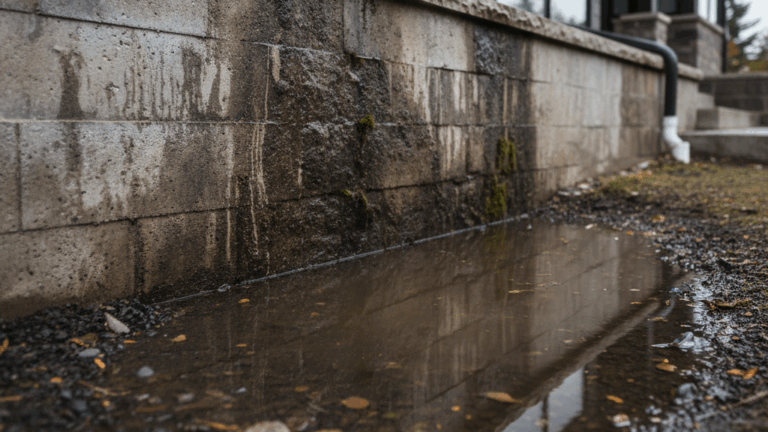
Install swales on the uphill side to capture runoff before it crosses the all-weather access route. Add silt fences downslope as temporary erosion barriers during construction. The road base requires 8-12 inches of compacted crushed stone meeting load capacity design specifications for the anticipated heavy machinery weight, typically 60,000-100,000 pounds for drilling equipment.
Step 6: Build Level Drilling Pad Using Cut and Fill Methods
Create the working platform using bench construction techniques, cutting into the uphill slope and using excavated material for fill slope construction on the downhill side. According to Geotechnical Engineering Circular No. 11 (FHWA, 2023), compacted fill must be placed in 8-12 inch lifts and achieve 95 percent Standard Proctor density.
For steep terrain preparation where fill depths exceed 10 feet, install a gabion wall or riprap for slope stabilization along the pad’s downhill edge. The drilling location preparation must achieve less than 3 percent grade variation across the platform to ensure drilling rig positioning accuracy and equipment stability during geotechnical drilling operations.
Step 7: Install Erosion Control and Slope Stabilization Measures
Implement hillside stabilization systems immediately after completing terrain modification work. Place straw bales or silt fences at 25-foot intervals along disturbed slopes. Apply hydroseeding to all exposed soil areas within 48 hours of final grading to establish vegetation quickly and prevent erosion during hillside drilling site preparation.
If slope analysis indicates potential instability, construct retaining walls using riprap, gabion walls, or engineered concrete structures. Install drainage culverts through fill sections to prevent groundwater buildup. These slope engineering solutions must meet local building codes and the geotechnical engineer’s recommendations for long-term slope stability during drilling operations.
Step 8: Compact Soil and Add Aggregate Base
Compact all earthwork areas using vibratory rollers or plate compactors, achieving the specified density throughout the working platform and temporary roadway sections. Conduct compaction testing at 2,500 square foot intervals using nuclear density gauges or sand cone methods to verify 95 percent compaction per project specifications.
Apply a 6-8 inch layer of crushed stone aggregate base over the compacted subgrade on both the drilling pad and access road surfaces. The aggregate provides a stable, all-weather surface for rig mobilization and prevents rutting during wet conditions. Compact the aggregate layer to achieve interlock and maximum load capacity for drilling equipment weighing up to 100,000 pounds.
Step 9: Conduct Final Inspection and Load Testing
Schedule inspections with the civil engineer, geotechnical engineer, and local building officials to verify compliance with approved plans and safety regulations. The inspection covers grade control verification, drainage system functionality, erosion control installation, and compaction testing results across the drill site layout.
Perform load testing by driving loaded trucks approximating drilling rig weight across the access road and parking area to identify soft spots requiring additional ground improvement. Document all site infrastructure completion with photographs and as-built survey data. Obtain final permit sign-offs before authorizing rig access construction completion and scheduling drilling equipment delivery.
Troubleshooting Common Hillside Drilling Site Preparation Issues
If access road develops ruts during construction: Add additional aggregate base thickness (2-4 inches) and re-compact to 98 percent density, or install geotextile fabric beneath aggregate layers for improved load distribution.
If slope shows signs of movement or cracking: Immediately halt earthwork and contact your geotechnical engineer to assess slope stability; temporary riprap placement or emergency retaining wall construction may be required.
If drainage systems overflow during testing: Increase culvert size by one diameter increment or add supplementary drainage swales to handle peak stormwater flows calculated for 25-year storm events.
If compaction tests fail repeatedly: Check soil moisture content (should be within 2 percent of optimum); excessively wet or dry soils require moisture conditioning before achieving proper soil compaction.
Next Steps: Post-Preparation Maintenance and Monitoring
After completing hillside lot preparation for drilling operations, establish a monitoring schedule to inspect erosion control measures weekly and after significant rainfall events. Repair any sediment control breaches within 24 hours to maintain environmental compliance.
Coordinate with the drilling contractor regarding specific rig placement planning requirements and any final pad site adjustments needed before equipment arrival. Maintain access road surfaces by re-grading as needed and adding aggregate to areas showing wear from heavy machinery traffic.
Document all site preparation work with photographs and maintain records of compaction testing, inspections, and permit compliance for regulatory reference throughout the drilling project duration and site restoration phase.