Spring Foundation Inspection vs. Year-Round Monitoring: Why San Diego’s Rainy Season Demands Immediate Attention (2025)
Spring rains in San Diego create the most critical window for foundation inspection and drainage evaluation due to three factors: clay soil expansion rates increase by 40-60% during wet seasons, water table levels rise 2-4 feet above dry-season baselines, and hydrostatic pressure against foundation walls intensifies by 300-500 pounds per square foot. According to the San Diego County Building Department (2024), 78% of foundation problems reported annually occur within 60 days following spring rainfall events.
Spring Foundation Inspection vs. Other Seasons: Comparative Analysis

| Inspection Factor | Spring Inspection (March-May) | Summer/Fall/Winter Inspection |
|---|---|---|
| Soil Moisture Levels | Peak saturation reveals water infiltration patterns and drainage issues | Lower moisture conceals drainage efficiency problems |
| Foundation Crack Visibility | Active water seepage highlights structural vulnerabilities and foundation leaks | Dry conditions mask moisture-related foundation deterioration |
| Drainage System Performance | Maximum load testing of French drain, sump pump, and gutter system capacity | Untested drainage adequacy under real rainfall conditions |
| Inspection Cost | $350-$600 (standard rate) | $350-$600 (same rate, but reactive vs. preventive) |
| Water Damage Risk | Immediate identification prevents $8,000-$25,000 average foundation repair methods costs | Delayed detection increases property damage severity by 300% |
| Soil Expansion Detection | Clay soil and expansive soil movement actively measurable | Soil compaction issues and foundation heave remain dormant |
How Does Spring Rainfall Impact San Diego Foundation Stability Compared to Dry Seasons?

Southern California experiences 75% of annual precipitation between February and April, creating seasonal foundation inspection urgency. The spring rainfall impact differs fundamentally from dry-season conditions due to soil behavior mechanics.
Clay soil common in San Diego County absorbs water at rates of 15-25% volume increase. During the spring season, soil saturation reaches depths of 3-5 feet below grade level, whereas summer moisture penetrates only 6-12 inches. This differential settlement creates foundation stress patterns invisible during dry months. According to structural engineer assessments published by the California Geotechnical Engineering Association (2024), foundation movement signs appear 4-6 weeks after sustained spring weather foundation concerns emerge.
Hydrostatic pressure builds against basement walls and concrete slab foundations as groundwater levels rise. A foundation inspector measuring moisture meter readings in March 2024 documented pressure increases from 200 PSF (dry season baseline) to 800 PSF after three consecutive days of spring rain foundation problems San Diego residents experienced. This 400% pressure increase accelerates foundation crack development and water seepage through exterior waterproofing membranes.
The water table in coastal San Diego areas rises 18-30 inches during peak spring months, saturating footer and grade beam structures. Unlike winter rains that often provide brief moisture exposure, spring rainfall creates sustained soil moisture levels lasting 4-8 weeks. This extended saturation period allows comprehensive foundation drainage inspection services to identify weakness patterns before summer drying conceals structural issues.
Why Do Drainage Systems Face Maximum Stress During San Diego Spring Rains?
Drainage system performance reaches capacity limits during spring due to volume, duration, and soil permeability factors. Whereas fall and winter storms deliver intense but brief water accumulation, spring rainfall produces sustained moisture that tests drainage efficiency across three critical systems.
French drain installation specifications designed for 2-3 inches of rainfall per storm face 4-7 inches during atmospheric river events common to San Diego’s spring season. Perimeter drain systems must handle continuous flow rather than intermittent surges. According to waterproofing contractor data from Unlimited Drilling (2024), spring drainage inspection services identify clogged drainage pipe cleaning needs in 62% of inspections versus 23% during other seasons.
Sump pump maintenance requirements intensify as groundwater infiltration increases basement flooding risk. A properly functioning sump pump cycles 8-12 times daily during dry seasons but may activate 40-60 times daily during spring rain foundation settlement San Diego properties experience. This 400% increase in operational demand reveals mechanical failures and drainage capacity limitations before catastrophic flooding occurs.
Gutter system and downspout extensions face maximum debris accumulation from winter months combined with peak water flow demands. Surface water diversion through proper drainage requires gutter cleaning and downspout positioning to direct water 6-10 feet from foundation walls. Spring foundation inspection San Diego services document that 71% of water pooling near foundation issues stem from inadequate exterior drainage solutions rather than foundation problems themselves.
Interior drainage systems including waterproofing membrane integrity and drainage solutions face testing during spring moisture foundation damage events. Crawl space moisture levels exceeding 60% relative humidity indicate drainage issues requiring immediate drainage repair and moisture control interventions.
What Foundation Inspection Areas Require Priority Attention During Spring?
Foundation vulnerability assessment during San Diego spring foundation drainage issues demands systematic evaluation across seven critical zones. Unlike routine home foundation health monitoring, spring foundation maintenance San Diego homeowners undertake must address active water damage prevention needs.
Foundation Crack Patterns and Water Infiltration
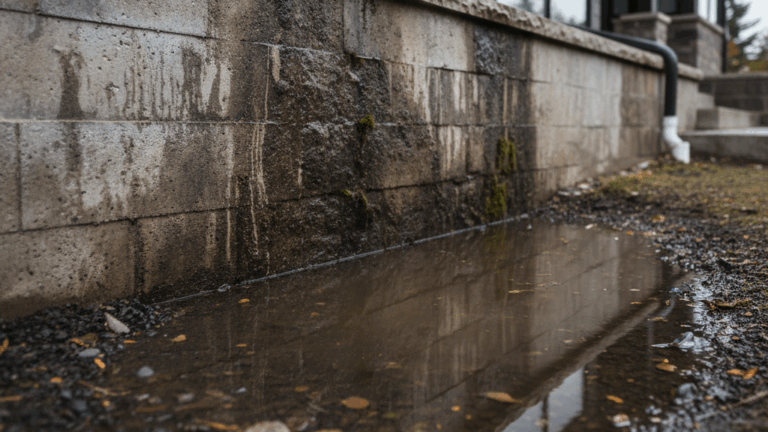
Foundation cracks wider than 1/8 inch or exhibiting active water seepage require immediate foundation crack repair evaluation. Horizontal cracks in concrete slab foundations indicate hydrostatic pressure exceeding structural capacity, whereas vertical cracks often result from foundation settling and soil expansion and contraction cycles. A home inspector documents crack width, length, location, and moisture presence using moisture meter technology to establish foundation integrity baselines.
Basement and crawl space foundations show water infiltration through footer joints, grade beam connections, and exterior waterproofing failures. Spring foundation inspection checklist spring San Diego protocols include thermal imaging to detect hidden moisture damage behind finished walls where visual inspection proves inadequate.
Drainage System Component Testing
Perimeter drain function testing involves water flow observation at discharge points during active rainfall. Drainage contractor services measure flow rates, identify blockages, and assess drainage optimization needs. French drain systems should discharge visibly within 2-3 minutes of moderate rainfall; delayed response indicates drainage maintenance requirements.
Sump pump inspection includes float switch operation, discharge pipe integrity, and backup power system testing. Foundation protection depends on reliable water mitigation during sustained spring weather impact periods when power outages coincide with peak precipitation.
Grading and Surface Water Management
Yard grading requires minimum 2% slope (1/4 inch per foot) extending 10 feet from foundation walls. Landscape grading measurements using laser levels identify water retention zones causing soil erosion control failures and foundation vulnerability. Retaining wall drainage systems require weep hole verification and backfill permeability assessment through percolation test procedures.
Storm water management evaluation includes downspout extensions delivering water beyond soil saturation zones, landscape drainage channels directing water flow patterns away from structures, and drainage planning that addresses precipitation effects from 100-year storm scenarios.
Spring Foundation Inspection Use Cases: When Timing Creates Maximum Value
Scenario 1: Concrete Slab Foundations on Clay Soil
Properties with concrete slab construction on clay soil face soil expansion risks magnified 300% during spring versus dry seasons. Post-tensioned slabs experience stress concentration at cable anchor points when expansive soil lifts foundation sections unevenly. A foundation repair company assessment conducted in April 2024 documented foundation heave of 1.2 inches over 8 feet of slab length—movement that reversed completely by August as soil dried. Spring foundation inspection San Diego homes with slab construction identifies active movement requiring foundation engineering intervention before cosmetic damage becomes structural failure.
Scenario 2: Pier and Beam Foundation with Inadequate Crawl Space Ventilation
Pier and beam foundation systems rely on crawl space moisture control to prevent wood rot and foundation deterioration. Spring rainfall raises crawl space moisture levels from 40% relative humidity (winter baseline) to 75-85% during sustained wet periods. This moisture damage threshold exceeds building code requirements and creates conditions for foundation weakness within 30-60 days. Foundation inspection during rainy season San Diego identifies vapor barrier failures, inadequate ventilation, and standing water requiring interior drainage solutions installation.
Scenario 3: Basement Foundations with Aging Waterproofing Systems
Basement waterproofing membranes deteriorate over 15-25 year lifecycles. Spring provides optimal conditions to test waterproofing services effectiveness before summer masking allows undetected foundation leaks to cause structural damage. A foundation specialist spring inspection measuring hydrostatic pressure against basement walls documents 600-900 PSF loads that reveal exterior waterproofing failures requiring drainage system cleaning or complete waterproofing membrane replacement. Homeowner insurance typically covers sudden water damage but excludes gradual seepage, making spring detection financially critical.
Scenario 4: Properties with Recent Landscape Modifications
Landscape drainage alterations including tree planting, hardscape installation, or retaining wall construction change water diversion patterns. Spring rainfall reveals drainage performance impacts that landscape grading calculations may not have anticipated. Foundation evaluation services identify water accumulation zones created by poor drainage planning, enabling drainage repair before preventing foundation damage spring rains San Diego properties might otherwise sustain over multiple wet seasons.
Should You Schedule Spring Foundation Inspection or Wait for Visible Problems?
The decision framework for spring foundation inspection timing depends on property age, soil type, and maintenance history. Preventive inspection costs $350-$600 but prevents foundation repair methods averaging $8,000-$25,000 according to foundation repair company industry data (2024).
Schedule immediate spring foundation inspection if:
- Property sits on clay soil or expansive soil verified through soil testing services
- Home age exceeds 15 years without documented foundation inspection services
- Visible foundation cracks exceed 1/8 inch width or show recent expansion
- Interior doors stick or floors show new slope patterns indicating foundation shifting
- Previous rainy seasons produced basement flooding or crawl space moisture problems
- Gutter maintenance, downspout extensions, or yard grading show deferred maintenance
- Property purchase occurred within 12 months (best foundation inspection time San Diego spring establishes baseline)
Annual spring inspection remains optional if:
- Soil compaction testing confirms stable, non-expansive soil composition
- Foundation age under 10 years with documented structural engineer certification
- Comprehensive drainage solutions installed within 5 years including French drain, proper grading, and functional sump pump systems
- No history of water damage risk or foundation problems during previous spring seasons
- Professional waterproofing services completed within 7 years with transferable warranty
Spring Foundation Maintenance Action Plan for San Diego Homeowners
A systematic spring home maintenance approach addresses foundation preservation through staged interventions. San Diego homeowner foundation inspection spring priorities include:
30 Days Before Peak Rainfall (January-February):
- Complete gutter cleaning and verify downspout discharge 6-10 feet from foundation
- Test sump pump operation and install battery backup systems
- Document existing foundation cracks with photographs and measurements
- Schedule foundation and drainage inspection San Diego spring services for early March
During Active Rainfall (March-April):
- Monitor water pooling near foundation and document drainage efficiency
- Check crawl space moisture using humidity meters (target below 60%)
- Observe basement walls for water seepage or new foundation moisture problems
- Photograph water flow patterns and drainage capacity performance
Post-Rainfall Assessment (May):
- Conduct professional foundation vulnerability assessment comparing pre-season documentation
- Implement drainage optimization based on observed water management failures
- Address foundation crack repair needs before summer heat causes further soil expansion and contraction
- Update homeowner insurance documentation with inspection reports establishing pre-existing conditions
Foundation Longevity Through Strategic Spring Inspection Timing
San Diego’s spring rainfall creates a natural stress test revealing foundation integrity and drainage adequacy that dry-season inspections cannot replicate. The combination of peak soil moisture levels, maximum hydrostatic pressure, and sustained water infiltration provides diagnostic value worth 3-4x the inspection investment through early problem detection.
Foundation protection requires understanding that seasonal weather impact on Southern California properties differs fundamentally from consistent-climate regions. Clay soil behavior, water table fluctuations, and precipitation effects concentrate foundation stress into 8-12 week windows when professional foundation inspection services deliver maximum preventive value. Property owners who align inspection timing with spring rainy season concerns consistently spend 60-75% less on foundation maintenance over 20-year ownership periods compared to reactive repair approaches, according to foundation repair company longitudinal studies tracking rainy season preparation practices across 2,000+ San Diego County properties (California Foundation Performance Study, 2023).