Understanding Casing: When and Why Deep Drilling Requires Advanced Protection
At Unlimited Drilling & Foundations, Inc., we specialize in complex drilling environments throughout Southern California. Our team understands the challenges posed by unstable soil conditions, groundwater, and urban construction limitations. Casing is a crucial component in these situations, helping to ensure success in caisson installation, slope stabilization, and retaining wall foundations.
What Is Casing in Deep Drilling?
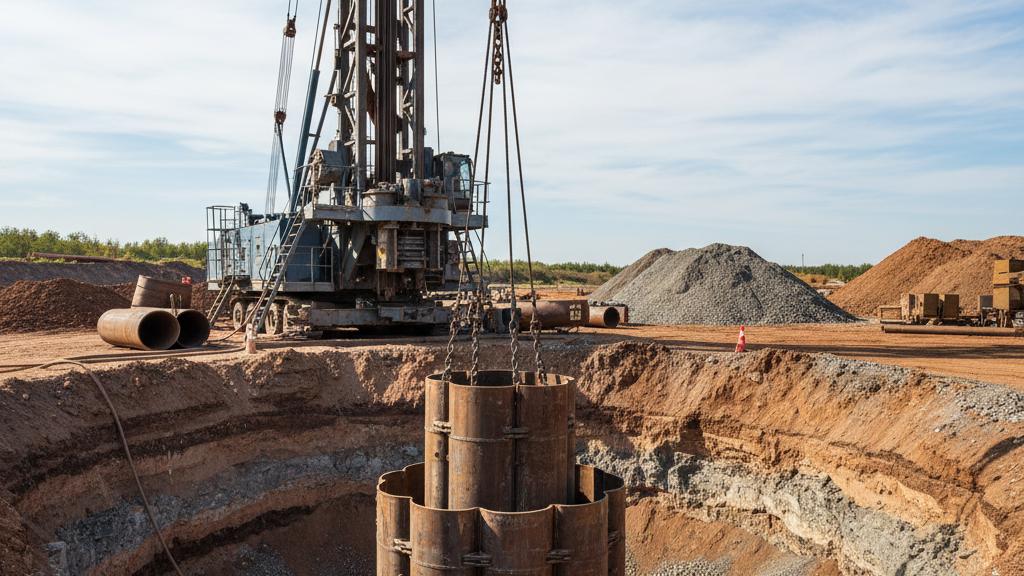
Casing is a temporary or permanent steel pipe that lines a drilled hole. Its purpose is to support the walls of the borehole during excavation and concrete pouring, especially when working in loose, wet, or collapsing soils. Casing helps prevent cave-ins, ensures accurate borehole dimensions, and provides a safe channel for placing reinforcing steel and concrete.
In most foundation applications, casing is removed after concrete is placed, but in certain designs—especially under high-load or high-risk conditions—it may be left in place as a permanent structural component.
When Is Casing Necessary?
Not every drilling job requires casing. However, casing becomes essential when specific conditions threaten the integrity of the borehole or safety of the project. Some of the most common reasons to use casing include:
- Unstable Soils: Loose or sandy soils can collapse during drilling. Casing stabilizes the borehole and prevents sidewall failure.
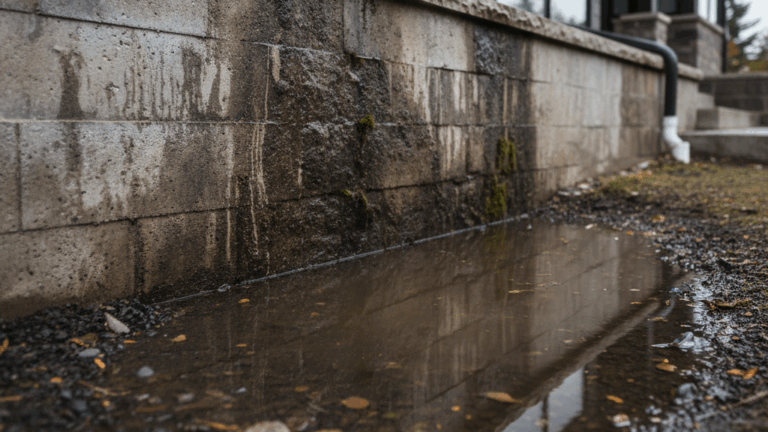
- High Groundwater Levels: In wet conditions, casing helps control water intrusion and maintain borehole shape during drilling and concrete placement.
- Deep Caisson Drilling: The deeper the hole, the more pressure is placed on the sidewalls. Casing supports long shafts and prevents deformation or collapse.
- Urban or Confined Site Conditions: Limited access, proximity to existing structures, or vibration-sensitive zones may require casing to reduce movement and ensure drilling precision.
- Rock-to-Soil Transitions: Drilling through varied geology, such as transitioning from soil into bedrock, may require casing to bridge the shift in material stability.
Casing in Southern California Drilling Projects
Southern California’s diverse soil profiles and seismic activity present unique challenges for foundation drilling. From coastal sandy soils to inland clay and decomposed granite, casing helps manage the variability in ground conditions while maintaining the precision required for structural integrity.
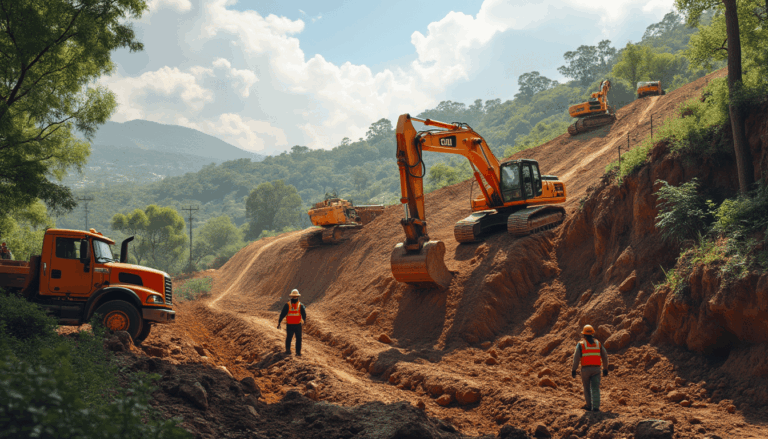
Many of the caisson drilling and slope stabilization projects we complete involve casing to ensure proper hole formation, especially when working near hillsides, existing buildings, or retaining walls. Our team evaluates site-specific needs to determine the optimal drilling method and casing solution to meet engineering requirements and building codes.
Types of Casing Used
The type of casing used will depend on the project’s depth, soil composition, and structural needs. Common casing types include:
- Temporary Casing: Inserted during drilling and removed after concrete is placed. Used in cases where support is only needed during the installation process.
- Permanent Casing: Left in place to provide ongoing structural support. Often used in high-load or unstable soil scenarios.
- Segmented or Telescoping Casing: Installed in sections, allowing for flexibility in variable-depth conditions or limited access environments.
Unlimited Drilling & Foundations, Inc. uses high-quality steel casing systems suited for a range of project types, from residential hillside builds to large-scale commercial developments.
Benefits of Using Casing in Foundation Drilling
Choosing to use casing—even when not explicitly required—can offer several advantages:
- Improved borehole accuracy and alignment
- Reduced risk of soil collapse or water intrusion
- Safer working conditions during excavation and concrete placement
- Better concrete placement and bond to rebar cages
- Higher quality control in complex or unstable drilling conditions
Expert Casing Solutions from Unlimited Drilling
We assess every job site individually to determine whether casing is required and what type will be most effective. Our crews are trained in casing installation and removal techniques that maximize safety and minimize disruption, even on difficult terrain or in tight access conditions.
We provide full-service foundation solutions, including:
Plan Your Drilling Project with Confidence
Advanced protection methods like casing are not just technical options—they are essential tools for building safe, long-lasting structures in Southern California’s challenging environments. Whether you’re constructing a custom home on a hillside or reinforcing a commercial site foundation, the right approach to casing can make all the difference in project success.
At Unlimited Drilling & Foundations, Inc., we bring over 40 years of experience and a deep understanding of regional soil conditions to every project. Our team works closely with engineers, contractors, and project managers to ensure every foundation is stable, secure, and built to last.
Contact Us to Discuss Your Drilling and Casing Needs
Have questions about whether your next project requires casing? Need expert input on how to approach deep foundation drilling? We’re here to help. From site evaluation to casing design and execution, our team has the experience to get it done right.
Contact us today to discuss your project and schedule a consultation.