What Is Casing? Understanding Deep Drilling Protection Systems
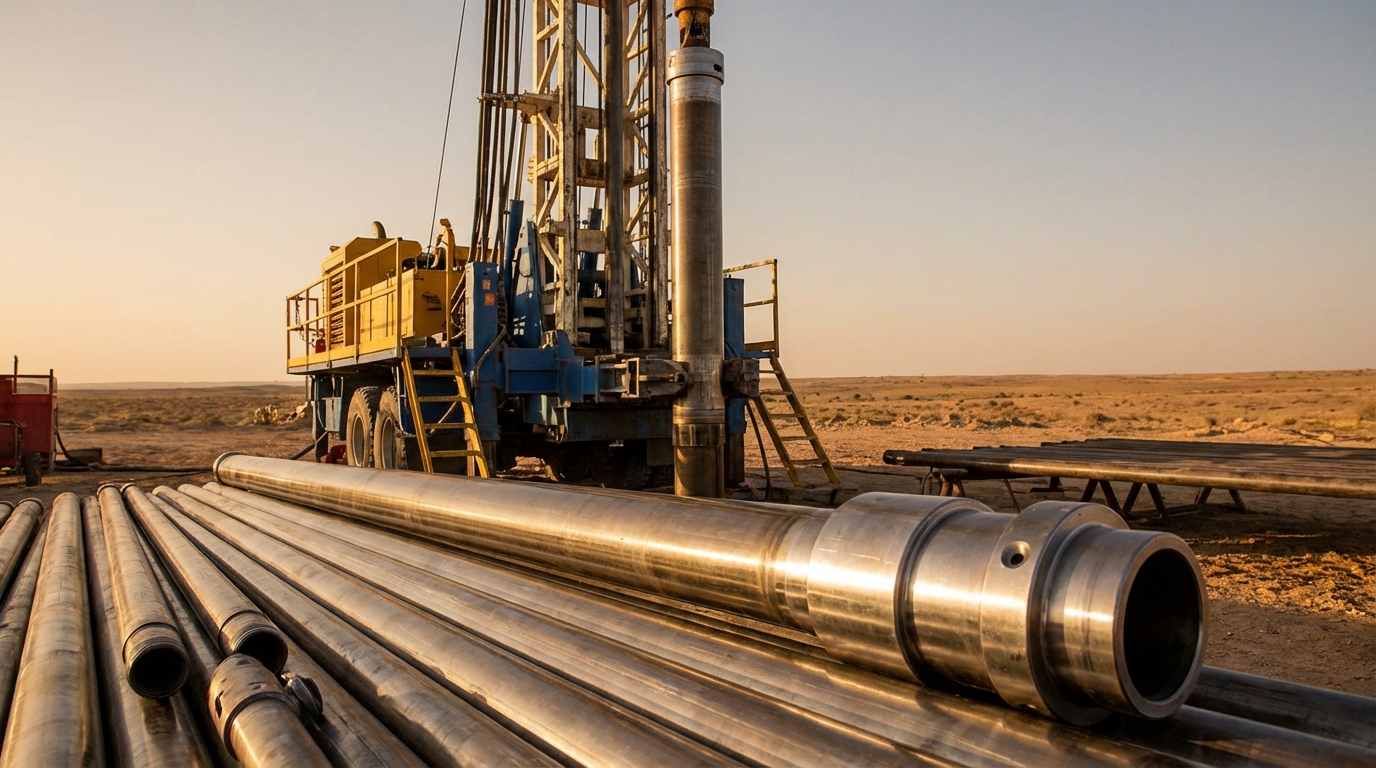
Casing is a series of steel pipes installed in a wellbore during drilling operations to provide structural support, prevent formation collapse, and isolate different geological layers from each other. According to the American Petroleum Institute (API), casing serves as the primary barrier system that enables safe resource extraction from subsurface formations. In deep drilling operations, advanced casing protection becomes essential as wells extend beyond 15,000 feet, where extreme formation pressure, high temperatures, and complex geological conditions threaten wellbore integrity.
Why Wellbore Protection Matters in Deep Drilling Operations

Casing protection is fundamental to drilling safety and well construction success. Without proper wellbore isolation, formation fluids can migrate uncontrollably between geological layers, potentially causing kicks or blowouts. The Society of Petroleum Engineers (SPE) reports that casing-related failures account for approximately 18% of well control incidents in ultra-deep wells exceeding 20,000 feet.
Deep well drilling faces unique challenges including elevated hydrostatic pressure, increased pore pressure, and reduced margins between fracture pressure and formation pressure. As drilling depth increases, the wellbore geometry becomes more complex, requiring specialized tubular goods and advanced cementing techniques to maintain borehole integrity. Offshore drilling operations and extended reach drilling projects particularly depend on robust casing systems for successful completion.
Five Key Characteristics of Deep Drilling Casing Systems

Understanding casing requirements for deep wells begins with recognizing essential system attributes:
- Structural Load Bearing Capacity: Casing must withstand compression, tension, and collapse forces. P110 grade casing, specified by API standards, provides tensile strength exceeding 110,000 psi for high-stress environments.
- Pressure Containment: The casing system creates pressure management barriers between the drilling rig and subsurface conditions. Burst pressure requirements increase proportionally with formation pressure in HPHT (High Pressure High Temperature) deep wells.
- Corrosion Resistance: Downhole equipment faces exposure to H2S (hydrogen sulfide), CO2 (carbon dioxide), and saltwater. Material selection must account for sour gas environments and chemical attack over 20-30 year production lifecycles.
- Zonal Isolation: Multiple casing strings enable formation control by segregating incompatible formations. This prevents cross-contamination between water aquifers, hydrocarbon zones, and overpressured intervals.
- Mechanical Integrity: Casing connections, threads, and joints must maintain sealing performance under cyclic loading. Premium casing connections provide enhanced leak resistance compared to standard API connections.
How Casing Installation Works: Step-by-Step Well Construction
The casing installation process follows established drilling procedures coordinated by drilling engineers and completion engineers:
Step 1: Conductor Casing Installation
Conductor casing (typically 30-36 inches diameter) is driven or drilled to 40-100 feet depth. This initial casing string stabilizes the drilling rig foundation and protects shallow formations from drilling fluid contamination.
Step 2: Surface Casing Running and Cementing
Surface casing (16-20 inches diameter) extends 1,000-3,000 feet to protect freshwater aquifers. After running the casing string to planned depth, cement is pumped through the casing shoe and up the annular space. Float collars prevent cement backflow, while centralizers ensure proper cement bond quality.
Step 3: Intermediate Casing Installation
Intermediate casing (typically 11-13⅜ inches diameter) provides hole stabilization through unstable formations and isolates abnormal pressure zones. Deep wells may require multiple intermediate strings depending on drilling hazards and geological formations encountered.
Step 4: Production Casing and Completion
Production casing (7-9⅝ inches diameter) extends to total depth, providing the final wellbore construction barrier. After cementing, a cement bond log verifies quality assurance. The wellhead and Christmas tree are then installed for production control.
Step 5: Liner Installation (When Applicable)
A liner (rather than full casing string) extends from the previous casing shoe to new depth. This approach reduces cost and avoids excessive load on surface equipment when total casing weight would exceed rig capacity. The liner is suspended from a casing hanger within the parent casing.
Types of Casing in Deep Drilling: System Architecture
Multi-string casing programs employ concentric casing layers, each serving specific functions:
| Casing Type | Typical Depth | Primary Function | Common Diameter |
|---|---|---|---|
| Conductor Casing | 40-100 feet | Rig foundation, shallow protection | 30-36 inches |
| Surface Casing | 1,000-3,000 feet | Aquifer isolation, blowout preventer support | 16-20 inches |
| Intermediate Casing | 8,000-15,000 feet | Formation isolation, pressure transition zones | 11-13⅜ inches |
| Production Casing | Total depth | Reservoir isolation, production conduit protection | 7-9⅝ inches |
| Liner | Partial depth | Cost-effective deepening, casing wear protection | 5-7 inches |
Expandable casing technology, introduced in the early 2000s, allows diameter reduction while maintaining wellbore integrity. Slotted casing and perforated casing variants facilitate reservoir fluid entry in specific completion designs.
Common Misconceptions About Deep Well Casing
Myth 1: A Single Casing String Is Sufficient for Deep Wells
Reality: Ultra-deep wells (beyond 20,000 feet) typically require 4-6 casing strings. The International Association of Drilling Contractors (IADC) guidelines specify multi-barrier systems for wells exceeding 15,000 feet due to pressure management requirements and formation integrity concerns.
Myth 2: All Casing Is Interchangeable
Reality: Casing grade selection criteria depend on stress analysis, dogleg severity effects, and thermal effects in deep well environments. L80 grade casing serves moderate conditions, while Q125 handles extreme HPHT applications. Material properties differ significantly across API specifications.
Myth 3: Cementing Is Optional for Casing Protection
Reality: Proper cementing is essential for casing protection and zonal isolation. Cement provides structural support against casing collapse, prevents formation fluid migration, and protects against corrosion. Advanced cementing techniques for deep well casing include foam cement for weak formations and high-density cement for high-pressure zones.
Myth 4: Casing Integrity Requires No Monitoring
Reality: Casing inspection methods and monitoring systems are critical throughout well life. Casing integrity tests, including pressure tests and electromagnetic inspection, detect casing damage, casing corrosion, and casing wear before failure occurs. Well intervention and remedial operations address degradation identified through inspection methods.
Casing vs. Tubing: Understanding the Distinction
While both are tubular goods in well construction, casing and tubing serve different purposes:
Casing is permanently cemented in place, creating the wellbore structure. It provides pressure containment from external formations and cannot be easily removed. Casing diameter ranges from 4.5 to 36 inches, with thickness (casing weight) selected for anticipated loads.
Tubing is installed inside production casing as a removable conduit for hydrocarbon flow. It protects casing from corrosive production fluids and enables well intervention without disturbing the permanent wellbore structure. Tubing typically ranges from 2⅜ to 4½ inches diameter.
The distinction matters for petroleum engineering because casing provides the permanent well barriers, while tubing facilitates production optimization and well security during operations.
When Deep Drilling Requires Advanced Casing Protection
Several factors trigger the need for advanced protection methods for deep well casing:
Depth Thresholds
Wells exceeding 15,000 feet face elevated collapse pressure requirements. Below 20,000 feet, temperature exceeds 300°F in most geological formations, necessitating special metallurgy. Ultra-deep wells beyond 25,000 feet represent less than 2% of global drilling but account for disproportionate casing challenges.
Formation Pressure Conditions
High pore pressure zones (exceeding 0.7 psi/foot gradient) require heavy drilling mud for pressure management. This increased hydrostatic pressure exerts burst pressure on casing. When formation pressure exceeds fracture pressure margins by less than 1.0 ppg (pounds per gallon), advanced casing design becomes mandatory.
Corrosive Environments
H2S concentrations above 0.05 psi require corrosion resistant alloy (CRA) casing or internal coating systems. CO2 environments with partial pressure exceeding 7 psi cause carbonic acid formation, accelerating casing corrosion rates. Sour gas environments demand specialized casing materials beyond standard carbon steel.
Directional Complexity
Directional drilling and horizontal drilling introduce additional mechanical stresses. Extended reach drilling with horizontal departures exceeding 25,000 feet creates severe dogleg severity effects on casing, potentially causing casing wear and connection fatigue. Advanced casing running procedures and casing wear mitigation strategies become essential.
Wellbore Stability Issues
Unstable formations prone to sloughing or swelling require prompt casing installation. Salt sections, overpressured shales, and unconsolidated sands threaten hole stabilization. Casing while drilling technology allows simultaneous drilling and casing installation, reducing formation damage prevention challenges.
Practical Applications: Casing Selection Criteria
Drilling operations require systematic casing program planning for ultra-deep drilling projects. Geologists and reservoir engineers collaborate with drilling engineers on well design decisions.
Onshore Drilling Applications
Onshore drilling in sedimentary basins typically uses conventional multi-string casing programs. A 20,000-foot onshore oil well might employ conductor (36″), surface (20″), intermediate (13⅜”), and production (9⅝”) casing strings. Cost optimization drives liner applications below 15,000 feet when formation conditions permit.
Offshore Drilling Scenarios
Offshore drilling faces additional challenges including shallow water flows, weak seafloor formations, and limited conductor support. Deepwater wells (water depth over 5,000 feet) require specialized expandable casing or dual-gradient drilling to manage the narrow pressure window between pore pressure and fracture pressure.
HPHT Well Requirements
High Pressure High Temperature wells exceed 10,000 psi formation pressure and 300°F temperature. These conditions demand Q125 or V150 casing grades with premium connections. Gas well applications particularly benefit from advanced casing connection types for deep drilling that resist thermal cycling and pressure fluctuations.
Resource Extraction Optimization
Proper casing selection directly impacts drilling efficiency and resource extraction economics. Pre-perforated casing in horizontal sections enhances reservoir connectivity. Careful attention to casing threads, casing joints, and casing segments ensures long-term well architecture integrity, reducing well intervention costs over the production lifecycle.
Understanding casing design considerations for ultra-deep wells enables operators to balance safety, performance, and cost across the complete drilling infrastructure spectrum.