What Is Geotechnical Drilling and When Do You Need It?
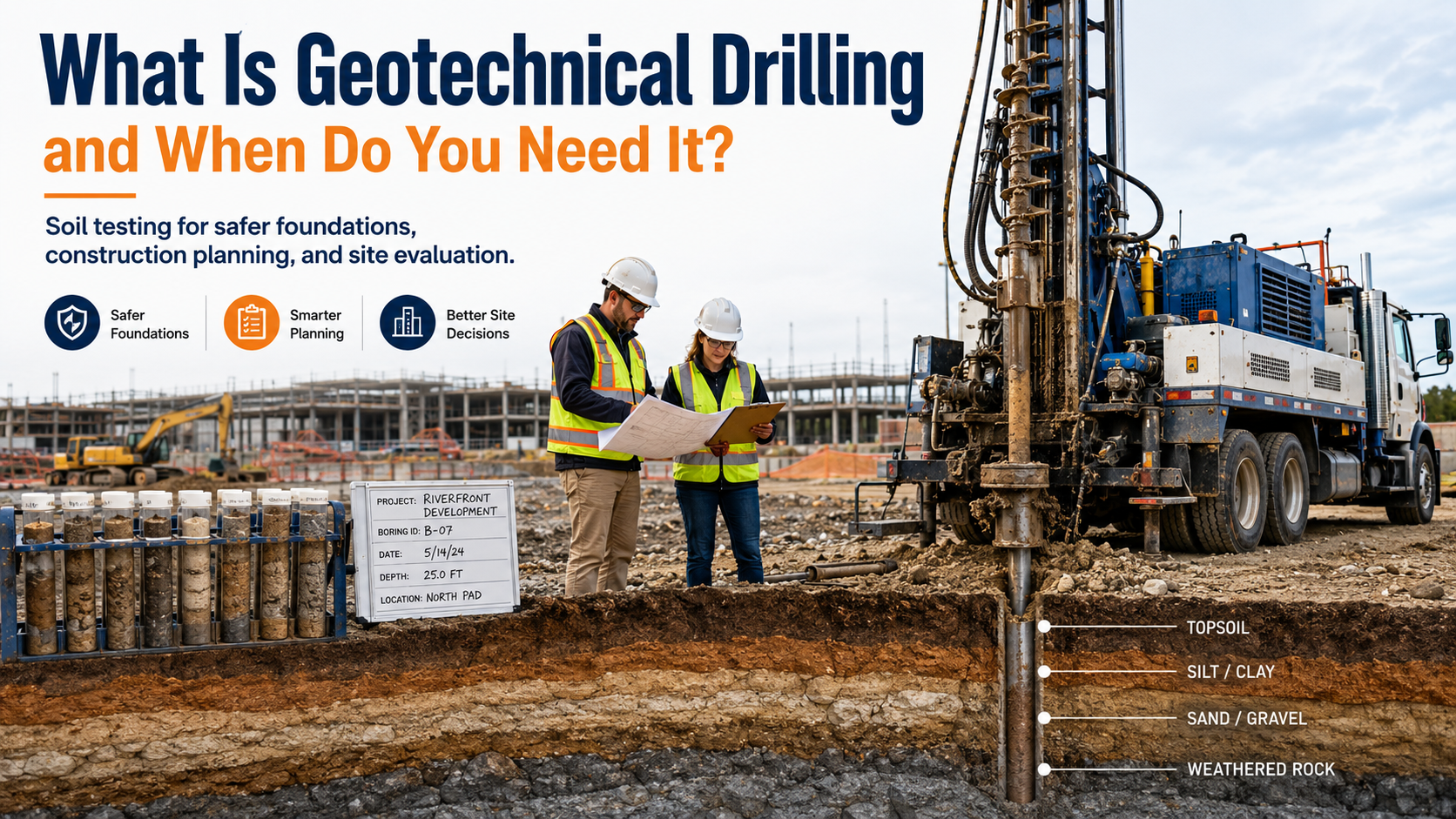
Geotechnical drilling is a specialized subsurface exploration technique that creates boreholes to collect soil samples, rock cores, and critical geotechnical data necessary for foundation design and construction planning. According to ASTM D420-18 standards, this soil investigation process enables geotechnical engineers to evaluate ground conditions, determine bearing capacity, and identify potential construction safety hazards before breaking ground on any significant project.
Why Geotechnical Drilling Matters for Construction Success

Site characterization through geotechnical drilling reduces construction risks by revealing subsurface conditions that cannot be assessed through surface observation alone. The soil profile, bedrock depth, groundwater table levels, and soil composition directly influence foundation engineering decisions, preventing costly structural failures and ensuring project feasibility.
The engineering geology community recognizes that approximately 80% of foundation failures stem from inadequate site exploration (Engineering Geology Journal, 2024). Geotechnical boring identifies clay layers, sand strata, rock formations, and underground water that affect ground stability and foundation support systems.
Key Characteristics of Geotechnical Drilling Operations

Precision Subsurface Sampling
Drilling contractors use specialized drilling equipment to extract undisturbed soil samples and rock coring specimens from specific depth requirements. The Standard Penetration Test (SPT) measures soil strength parameters every 1.5 meters (5 feet) during drilling operations, while Cone Penetration Test (CPT) provides continuous soil penetration testing data.
Multiple Drilling Technology Applications
Geotechnical drilling encompasses rotary drilling for hard formations, auger drilling for overburden, percussion drilling for consolidated materials, and diamond drilling for rock sampling. Each drilling method addresses different geologic conditions and terrain analysis requirements.
Comprehensive Data Collection
The drilling program design includes field testing, laboratory testing, and geophysical surveys. Core samples undergo soil classification using the Unified Soil Classification System (USCS), while consolidation tests, permeability tests, and shear strength analyses determine engineering properties essential for foundation recommendations.
Regulated Industry Standards
ASTM standards govern drilling procedures, sampling techniques, and geotechnical testing protocols. Certified geotechnical drilling companies follow ASTM D1586 for SPT operations and ASTM D5778 for electronic cone penetration testing, ensuring consistent geotechnical assessment methodologies.
How Geotechnical Drilling Works: Step-by-Step Process
Understanding what happens during geotechnical drilling clarifies why this earth boring process takes time and requires specialized expertise.
Step 1: Preliminary Site Investigation and Planning
Geotechnical engineers conduct desktop studies reviewing geological maps, historical site data, and construction requirements. This preliminary site investigation determines drilling depth requirements, boring locations, and appropriate drilling services needed for the construction site.
Step 2: Drilling Rig Mobilization and Setup
Drilling contractors position the drilling rig at predetermined coordinates. Hollow stem auger equipment or direct push technology (Geoprobe drilling) is selected based on subsurface profile expectations and site accessibility. Site preparation ensures drilling safety and equipment stability.
Step 3: Borehole Advancement and Soil Boring
The drilling investigation begins by penetrating earth materials layer by layer. Drilling mud or water circulation removes cuttings while stabilizing the borehole. Operators advance the test pit or borehole to specified depths, typically 15 to 30 meters (50 to 100 feet) for building construction, deeper for deep foundations.
Step 4: Continuous Soil Sampling and Field Testing
At regular intervals, crews perform soil core sampling using split-spoon samplers or thin-walled tube samplers. The SPT blow count records ground penetration resistance, measuring how many hammer blows drive the sampler 300mm (12 inches). This soil probe data quantifies soil behavior and strength.
Step 5: Borehole Logging and Documentation
Field technicians document borehole investigation findings, recording soil layer identification, bedrock encounters, water table level observations, and visual soil type identification. This geological drilling log provides the foundation for the geotechnical report.
Step 6: Laboratory Analysis and Testing
Soil samples undergo engineering analysis including moisture content, grain size distribution, Atterberg limits, and unconfined compression tests. Environmental assessment may include contamination detection for Phase II ESA compliance.
Step 7: Geotechnical Report Preparation
Geotechnical engineers synthesize field testing and laboratory results into comprehensive foundation investigation documents. The geotechnical report interpretation provides bearing capacity recommendations, settlement analysis predictions, foundation design parameters, and construction recommendations. This critical documentation guides architects, structural engineers, and contractors.
Common Types of Geotechnical Drilling Methods
Standard Penetration Test (SPT) Drilling
SPT remains the most widely used soil testing procedure globally. This exploratory drilling method combines soil boring with dynamic penetration testing, providing both samples and in-situ strength data for cohesive and granular soils.
Cone Penetration Test (CPT) Drilling
CPT uses electronic sensors on a cone-tipped probe pushed into ground at controlled rates. This ground penetrating technology generates continuous subsurface data without sample retrieval, ideal for soft to medium soils and site geotechnics characterization.
Rotary Drilling for Rock Coring
When projects require bedrock assessment, rotary drilling with diamond-tipped core barrels extracts cylindrical rock samples. This rock drilling technique provides intact core for geological drilling analysis and engineering geology investigation.
Hollow Stem Auger Drilling
Hollow stem augers create boreholes while preventing collapse in loose or saturated soils. The hollow center allows sampling tools to pass through for undisturbed soil exploration without removing the auger flights.
Direct Push Technology
Geoprobe and similar direct push systems use hydraulic force to advance small-diameter probes for environmental site assessment, groundwater sampling, and soil condition assessment in unconsolidated materials.
When Do You Need Geotechnical Drilling?
Recognizing signs you need geotechnical drilling prevents expensive foundation problems and ensures regulatory compliance.
New Construction Projects
Geotechnical drilling before building is essential for all commercial buildings, residential construction above single-story wood frames, high-rise buildings, and infrastructure developments. Building permits typically require geotechnical reports for structures exceeding specific square footage or load thresholds.
Foundation Design Requirements
Deep foundations such as pile foundations demand detailed subsurface boring to determine pile length, capacity, and installation methods. Shallow foundations require bearing capacity verification through soil stability testing. Foundation soil testing determines whether spread footings, mat foundations, or engineered fill will support the structure.
Problematic Soil Conditions
Sites with expansive soils (high-plasticity clays), collapsible soils, organic materials, or variable fill require geotechnical drilling for problematic soils assessment. Geotechnical drilling in clay soil identifies shrink-swell potential, while geotechnical drilling in rocky terrain determines excavation requirements.
Slope Stability and Retaining Walls
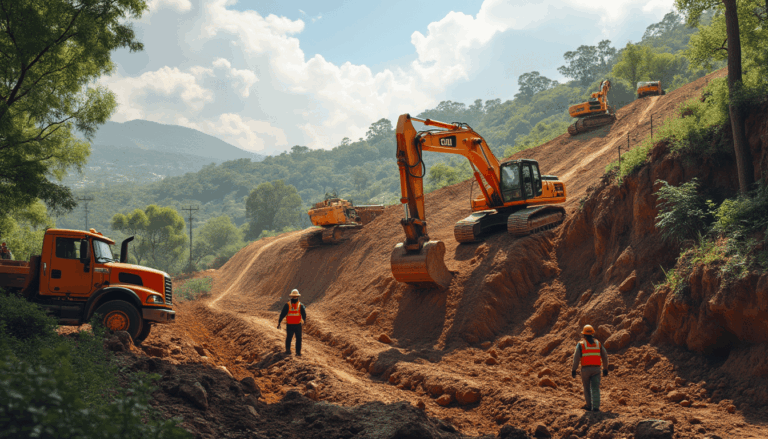
Projects involving cut slopes, fill embankments, or retaining walls need geotechnical drilling for slope stability analysis. The subsurface sampling reveals potential failure planes, groundwater influences, and soil strength parameters governing ground behavior.
Bridge and Infrastructure Construction
Geotechnical drilling for bridge construction and geotechnical drilling for road construction assess foundation conditions for abutments, piers, pavement structures, and utilities. These drilling and sampling programs address both bearing capacity and settlement concerns.
Regulatory and Code Requirements
International Building Code (IBC) and local jurisdictions specify when geotechnical drilling is required by code. Generally, site investigation drilling becomes mandatory when previous geotechnical data is absent, unreliable, or over 10 years old.
Foundation Repair and Renovations
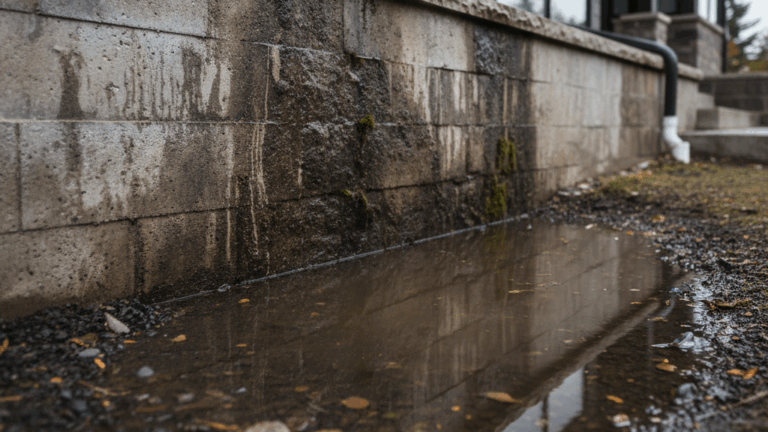
Existing structures experiencing settlement, cracking, or expansion require geotechnical drilling for foundation repair investigations. The borehole sampling identifies causative soil behaviors and informs remediation strategies.
Common Misconceptions About Geotechnical Drilling
Myth: Surface Observations Adequately Represent Subsurface Conditions
Reality: Subsurface conditions frequently differ dramatically from surface appearances. Buried soft layers, groundwater, or weak zones remain undetectable without subsurface exploration. Only soil investigation drilling reveals the complete soil profile and geologic formation sequence.
Myth: One Soil Boring Suffices for Entire Sites
Reality: Soil properties vary laterally and vertically across construction sites. Industry standards recommend minimum boring spacing of 15 to 30 meters (50 to 100 feet) for building footprints, with additional borings for large or geologically complex sites.
Myth: Geotechnical Drilling Is Only Necessary for Large Buildings
Reality: Residential construction, particularly in areas with problematic soils or high water tables, benefits significantly from geotechnical site work. Many residential foundation failures result from skipping soil boring services to reduce costs.
Myth: Environmental and Geotechnical Drilling Are Identical
Reality: While both involve subsurface boring, environmental drilling focuses on contamination detection and groundwater monitoring, whereas geotechnical field work emphasizes engineering properties for foundation support. Some projects require both services but for different purposes.
Geotechnical Drilling vs Environmental Drilling
Understanding the distinction helps project teams engage appropriate drilling investigation specialists.
Objective Differences
Geotechnical drilling provides data for foundation engineering, settlement analysis, and ground characterization supporting structural design. Environmental site assessment drilling identifies soil and groundwater contamination, guiding remediation and regulatory compliance.
Sampling Method Variations
Geotechnical exploration prioritizes undisturbed samples for strength testing and engineering analysis. Environmental drilling emphasizes preventing cross-contamination between soil horizons and collecting samples for chemical analysis rather than mechanical properties.
Reporting Standards
Geotechnical reports follow ASTM D420 and similar engineering standards, presenting bearing capacity, settlement predictions, and foundation recommendations. Environmental reports comply with EPA protocols, presenting contaminant concentrations relative to regulatory thresholds.
Equipment and Techniques
Both disciplines may use similar drilling rigs, but geotechnical boring emphasizes penetration resistance measurement and core recovery, while environmental drilling prioritizes sealed sampling systems and decontamination procedures. For comprehensive understanding of various drilling methods, explore geotechnical drilling services explained by specialized contractors.
Practical Applications of Geotechnical Drilling
Foundation Design Optimization
Geotechnical parameters derived from drilling investigations enable engineers to specify economical foundation systems matching site conditions. Accurate bearing capacity data prevents over-designed foundations while ensuring structural safety.
Construction Planning and Risk Management
Identifying underground obstacles, dewatering requirements, and excavation challenges during site exploration prevents construction delays and cost overruns. Contractors use geotechnical data for bidding accuracy and construction sequencing.
Forensic Investigations
When structures develop distress, post-construction drilling investigation determines whether foundation failure stems from design deficiencies, construction defects, or changed subsurface water conditions.
Pavement and Infrastructure Design
Transportation agencies rely on subgrade characterization from test drilling to design pavement thickness, select materials, and predict long-term performance of roads, airports, and railways.
Cost and Timeline Considerations
Understanding geotechnical drilling cost factors aids project budgeting. Geotechnical drilling cost per foot typically ranges from $50 to $200 depending on depth, soil conditions, sampling frequency, and mobilization distance. Standard residential investigations with 3-5 borings to 15-meter depths cost $3,000 to $8,000, while commercial projects exceed $15,000.
How long does geotechnical drilling take depends on boring quantity, depth, and access. Crews typically complete 2-4 borings daily under favorable conditions. Total project duration spans 1-3 weeks including mobilization, field work, laboratory testing, and geotechnical report interpretation.
Regulatory Framework and Standards
Geotechnical drilling safety requirements mandate OSHA compliance for excavations, equipment operation, and personnel protection. Geotechnical drilling standards established by ASTM International ensure consistent sampling techniques and testing protocols across projects and jurisdictions.
When to hire a geotechnical drilling company involves verifying licensing, insurance, and adherence to industry standards. Qualified geotechnical drilling contractors near me should demonstrate certification from organizations like the Geotechnical Drilling Organization (GDO) and maintain documented quality assurance programs.
Conclusion
Geotechnical drilling transforms unknown subsurface conditions into quantified engineering data, enabling safe, cost-effective construction. Every significant building project benefits from understanding what information geotechnical drilling provides—from bearing capacity to settlement predictions. Whether addressing when to perform geotechnical drilling for new development or evaluating existing structures, this essential investigation protects investments and ensures structural longevity through informed decision-making based on actual ground conditions rather than assumptions.