What Is a Soils Report? Essential Guide for San Diego Construction Projects
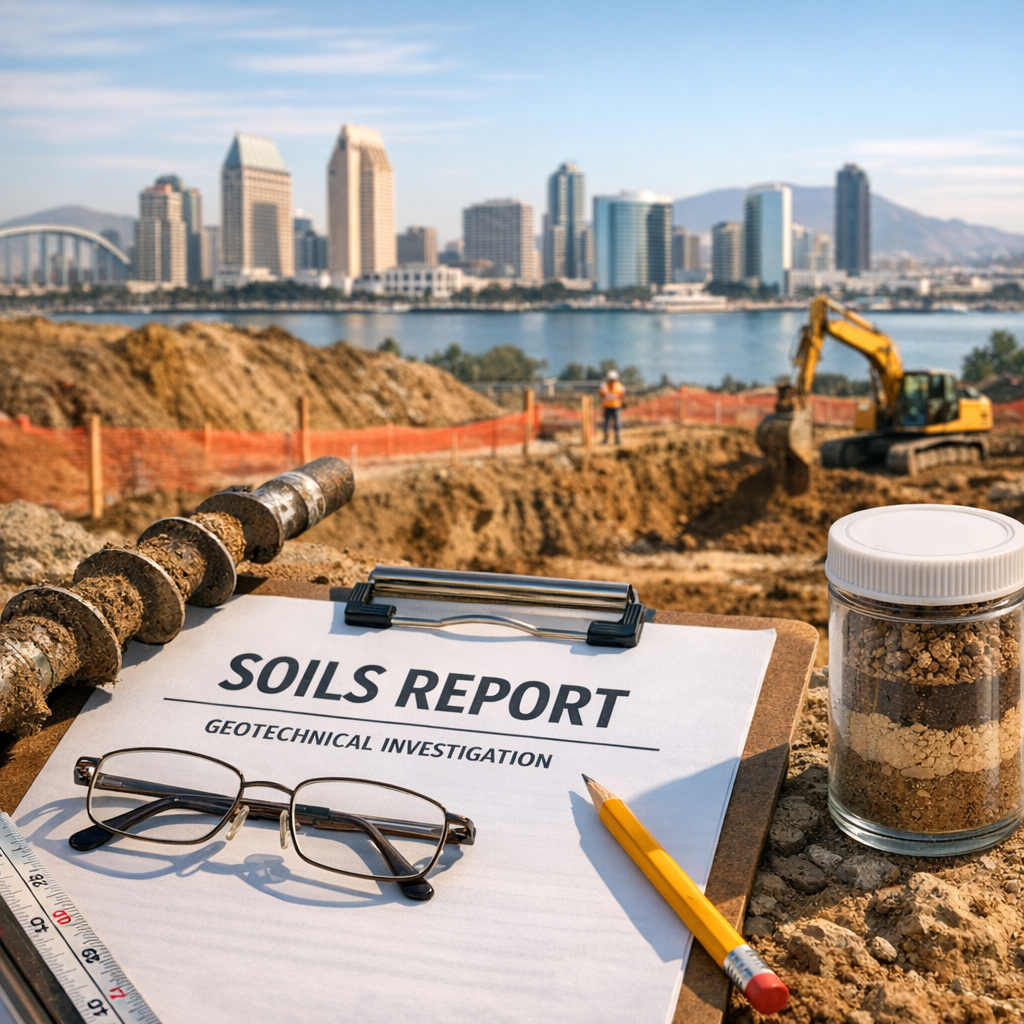
A soils report is a comprehensive geotechnical analysis document prepared by a licensed geotechnical engineer or soil engineer that evaluates subsurface conditions, soil properties, and ground stability at a construction site to ensure safe foundation design and structural support. According to the California Geological Survey (2025), this engineering geology report provides critical recommendations for building foundations, grading plans, and site preparation based on laboratory analysis and field testing of earth materials.
Why Soils Reports Matter for San Diego Construction
San Diego’s diverse terrain—ranging from coastal zones to canyon development areas and hillside construction sites—presents unique geological conditions that directly impact building site assessment. The Building Department requires a geotechnical survey to identify soil hazards including expansive soil, liquefaction risk near groundwater levels, and slope stability concerns that could compromise foundation support. A soil study protects property owners from settlement analysis failures and ensures compliance with the California Building Code and International Building Code standards for construction feasibility.
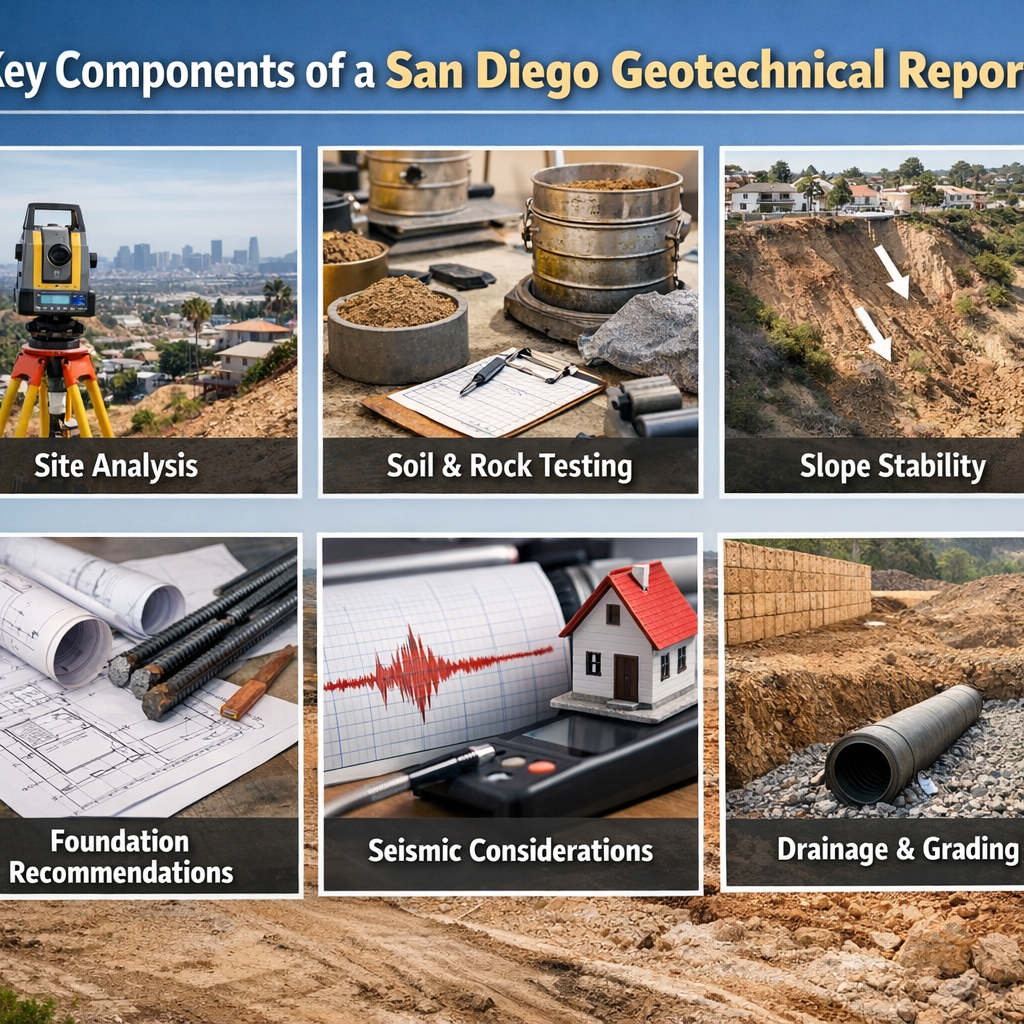
Key Components of a San Diego Geotechnical Report
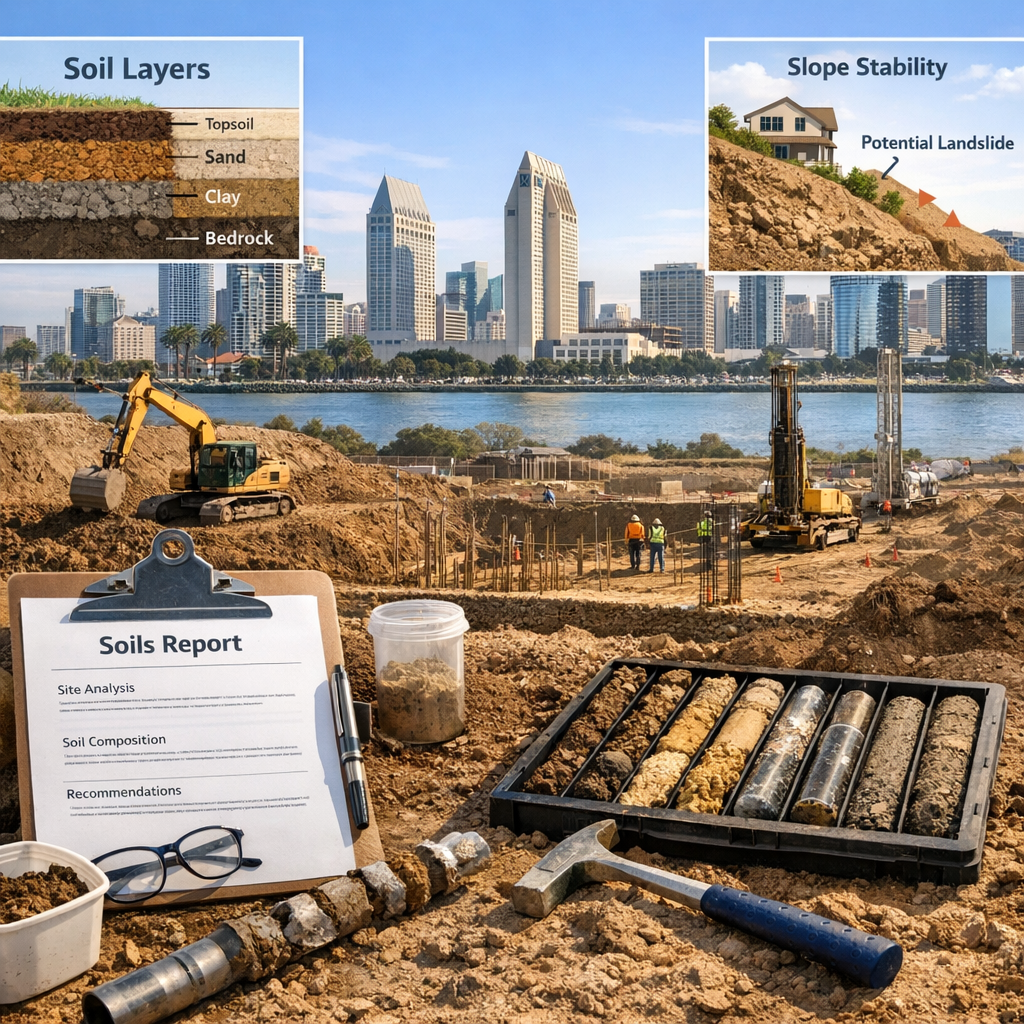
A complete soil investigation report includes five essential elements that inform foundation engineering decisions:
- Subsurface Exploration: Boring tests penetrate bedrock to document the soil profile and underground conditions at various depths
- Soil Classification: Laboratory analysis using the Unified Soil Classification System categorizes earth materials by soil composition, soil strength, and soil behavior characteristics
- Bearing Capacity Analysis: Engineers calculate the soil bearing capacity—the maximum load soil can support per square foot—essential for structural calculations
- Hazard Assessment: Evaluation of ground hazards including seismic activity impacts, potential liquefaction in saturated soils, and erosion control needs
- Foundation Recommendations: Specific guidance on foundation design, retaining wall requirements, drainage system specifications, and soil stabilization techniques
When You Need a Soils Report in San Diego
The San Diego Building Department mandates a geotechnical soils report San Diego for construction permit applications under these circumstances:
Hillside and Slope Development
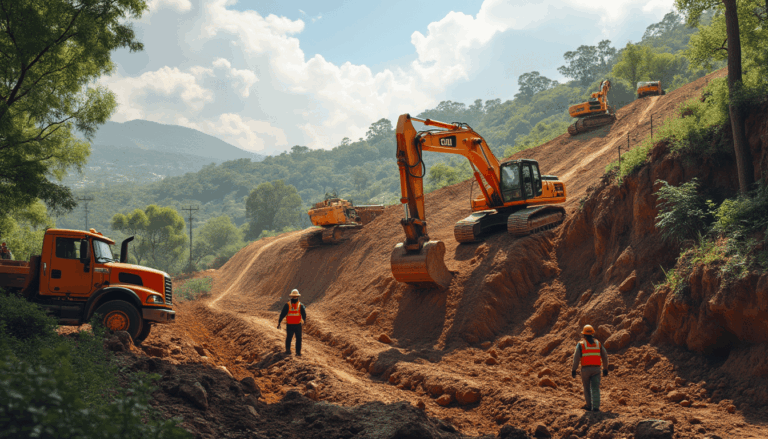
San Diego County requires a preliminary geotechnical report for all hillside development on slopes exceeding 15 percent grade. Steep slope building projects demand terrain analysis to assess ground stability and prevent landslide risks. Canyon property soils report San Diego requirements also apply to parcels within 50 feet of canyon rims, as documented in development services guidelines.
Coastal Zone Construction
Coastal property soils report San Diego requirements address unique challenges including salt exposure, high groundwater levels, and sand-based soil structure. Coastal construction projects require updated geotechnical reports demonstrating adequate foundation support against erosion and undermining.
Expansive Soil Areas
Properties with clay-based soils require an expansive soil report San Diego building permit submission. These soils expand when wet and contract when dry, creating differential movement that cracks foundations. The American Society of Civil Engineers identifies much of San Diego’s inland valleys as moderate to high expansive soil zones requiring soil treatment or specialized foundation plans.
Seismic and Liquefaction Zones
The USGS designates portions of San Diego near bay fill areas and river valleys as liquefaction susceptible. A seismic soils report San Diego requirements document must evaluate how saturated soils might lose strength during earthquakes, potentially causing structures to sink or tilt.
Grading Permit Projects
Any project requiring land grading exceeding 50 cubic yards triggers a grading permit with mandatory soil compaction report requirements. Compaction testing requirements San Diego standards ensure proper site preparation and ground preparation before foundation construction begins.
Who Prepares Soils Reports in San Diego
Only California-licensed professionals can conduct site geotechnical studies:
- Geotechnical Engineers: Registered civil engineers with geotechnical specialization perform subsurface investigation and provide foundation engineering recommendations
- Engineering Geologists: Licensed geologists assess geological conditions, identify geologic hazard exposure, and evaluate site geology for environmental review compliance
- Soil Engineers: Conduct materials testing, field observation during construction monitoring, and quality control testing of compaction certification
These professionals work with structural engineers who incorporate soil characteristics data into building foundation and structural calculations designs.
The Soils Report Process and Timeline
A typical geotechnical investigation before building San Diego follows this sequence:
- Initial Site Evaluation (1-2 days): The geotechnical engineer conducts visual site conditions assessment and reviews available geological assessment records
- Subsurface Exploration (1-3 days): Geotechnical drilling teams perform boring tests, typically 3-6 holes reaching 15-50 feet depth depending on building size
- Laboratory Analysis (5-10 days): Soil samples undergo testing for soil suitability, strength parameters, and soil testing procedures compliance
- Engineering Analysis (3-5 days): Engineers interpret ground testing results and develop earth analysis conclusions
- Report Preparation (2-4 days): Final documentation includes site investigation report findings and foundation recommendations
Total timeline: How long does a soils report take in San Diego? Typically 2-4 weeks from authorization to delivery, though complex hillside or coastal sites may require 5-6 weeks for comprehensive construction site analysis.
Cost Factors for San Diego Soils Reports
How much does a soils report cost in San Diego? Pricing varies based on several factors:
- Residential Projects: Flatland construction on simple sites: $2,000-$4,000; hillside or coastal properties: $4,000-$8,000
- Commercial Building: Commercial building soils report San Diego projects range $8,000-$25,000+ depending on structure size and site complexity
- Additional Testing: Percolation tests for septic systems add $500-$1,500; specialized seismic studies add $2,000-$5,000
Report validity: Soils report validity period San Diego standards specify 3-5 years for most projects. Expired soils report San Diego building permit applications require an updated geotechnical report costing 40-60% of original report fees.
Common Misconceptions About Soils Reports
Myth: All construction projects need soils reports.
Reality: Soils report exemptions San Diego building code allows certain small project soils report requirements San Diego waivers. Minor remodels without foundation work typically don’t require reports. However, do you need soils report for remodel San Diego projects affecting structural elements? Yes, if structural modifications occur.
Myth: A topographic survey replaces a soils report.
Reality: A boundary survey maps surface features while a geological report analyzes underground conditions. Both serve distinct purposes in construction documents.
Myth: One soil test suffices for an entire neighborhood.
Reality: Ground conditions vary significantly within short distances. Each parcel requires individual land evaluation for accurate foundation report recommendations.
Soils Report vs. Environmental Impact Report
While both documents involve site evaluation, they serve different regulatory purposes:
A soil analysis report focuses on ground composition, bearing capacity, and construction feasibility from an engineering perspective. An environmental impact report (required under CEQA for certain projects) assesses broader environmental consequences including biological resources, air quality, and hazard disclosure beyond soil properties.
The geotechnical survey provides technical foundation engineering data for the structural engineer and building inspector. The environmental review addresses zoning requirements and community impact for development services approval.
Practical Applications of Soils Report Findings
Soil engineer recommendations San Diego construction projects directly influence multiple design elements:
- Foundation Selection: Report findings determine whether conventional spread footings, deepened foundations, or post-tensioned slabs suit the site’s soil behavior
- Soil Mitigation Needs: Engineers specify ground improvement techniques such as over-excavation and recompaction, moisture conditioning, or soil remediation for unsuitable earth materials
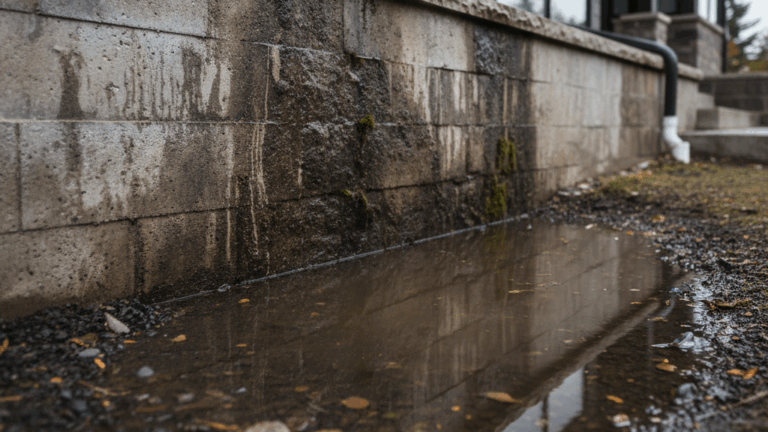
- Drainage Design: Recommendations include drainage system placement to manage surface water and protect foundations from moisture-related soil movement
- Retaining Walls: Slope stability reports provide lateral earth pressure calculations essential for retaining wall design on hillside properties
- Special Inspections: Reports identify when materials testing and field observation during construction monitoring become mandatory for quality assurance
Understanding what does a soils report include San Diego context helps property owners anticipate construction site preparation requirements, foundation repair prevention strategies, and long-term building site safety.